
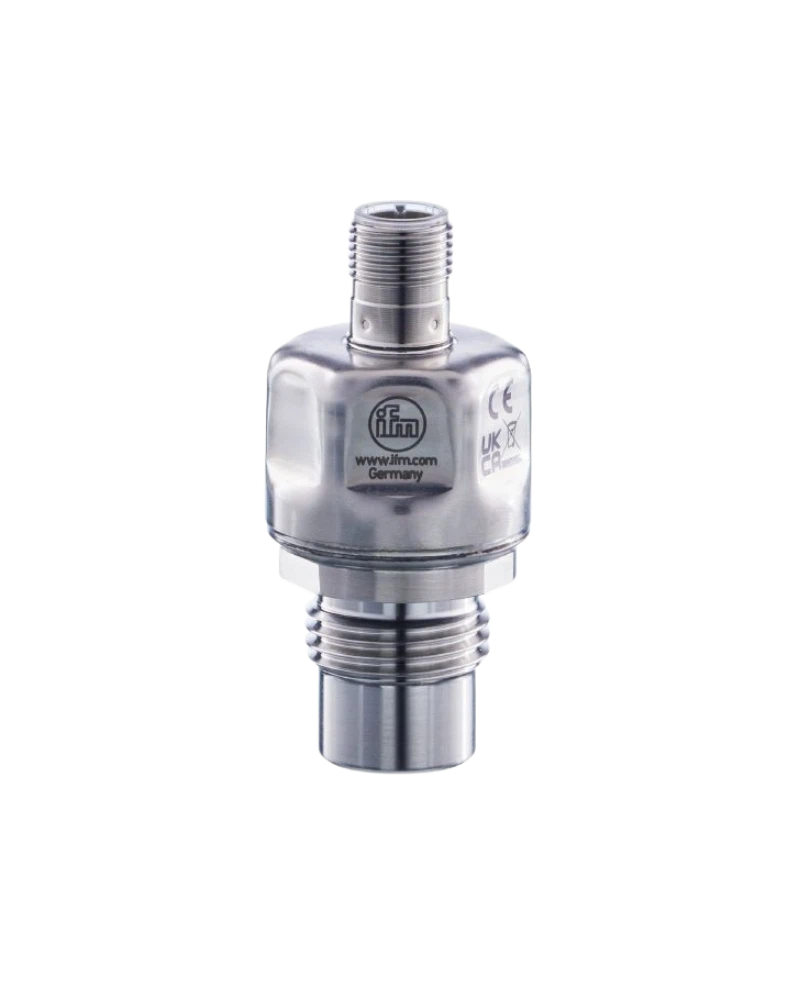
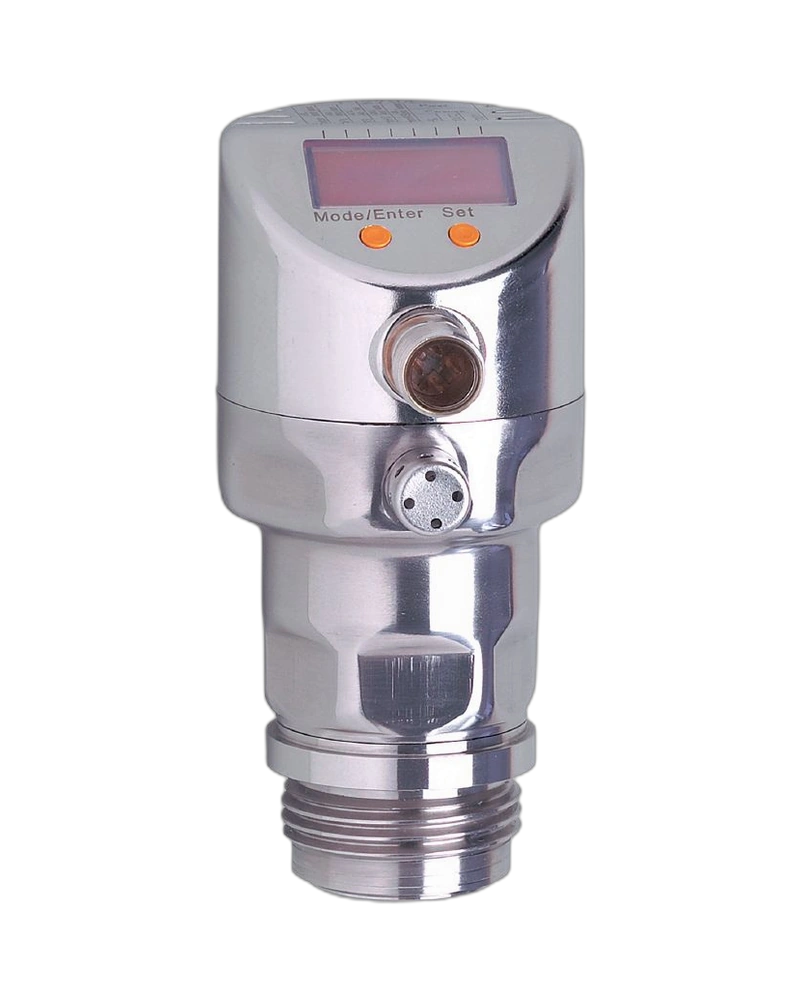
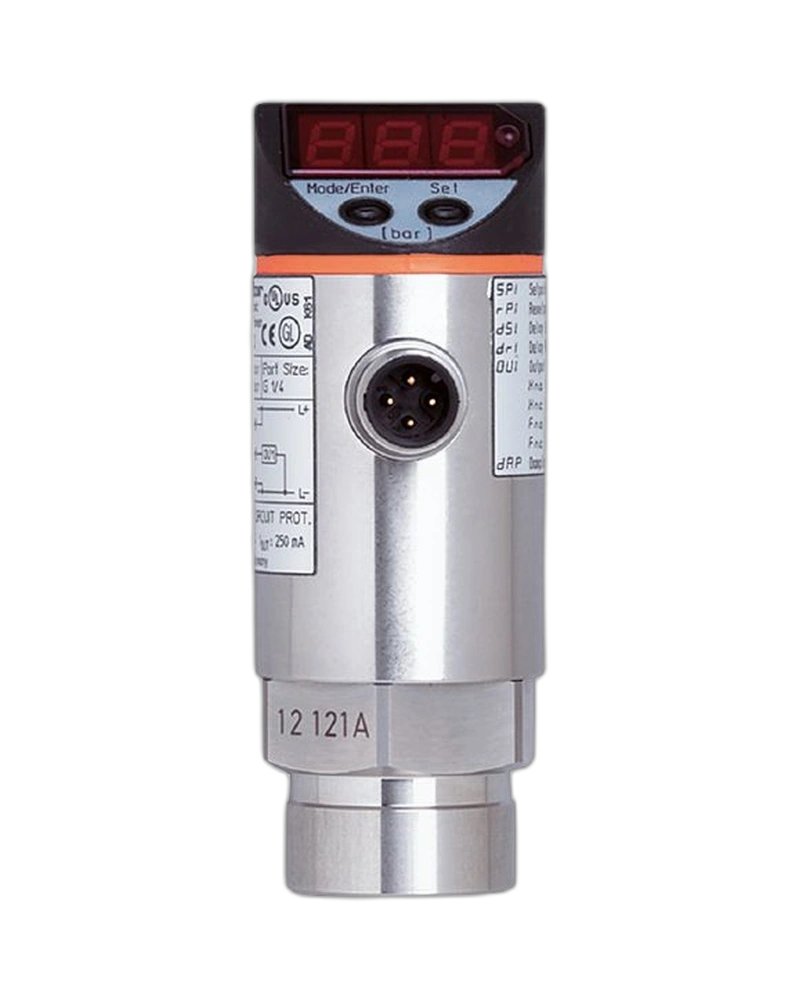
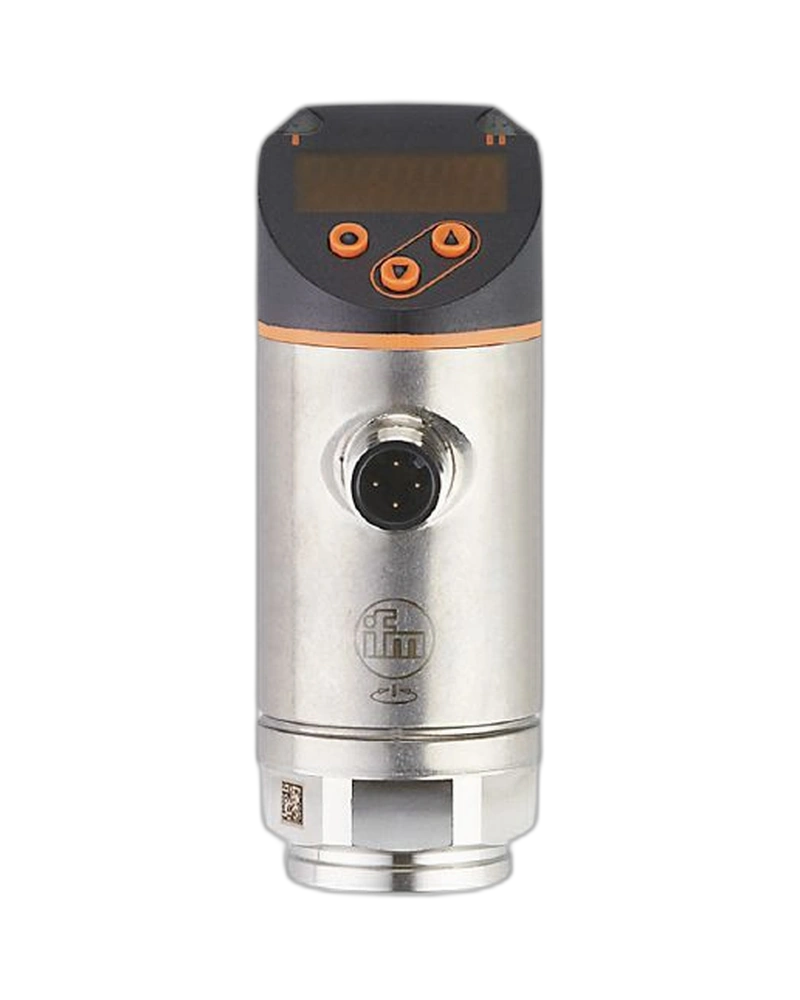
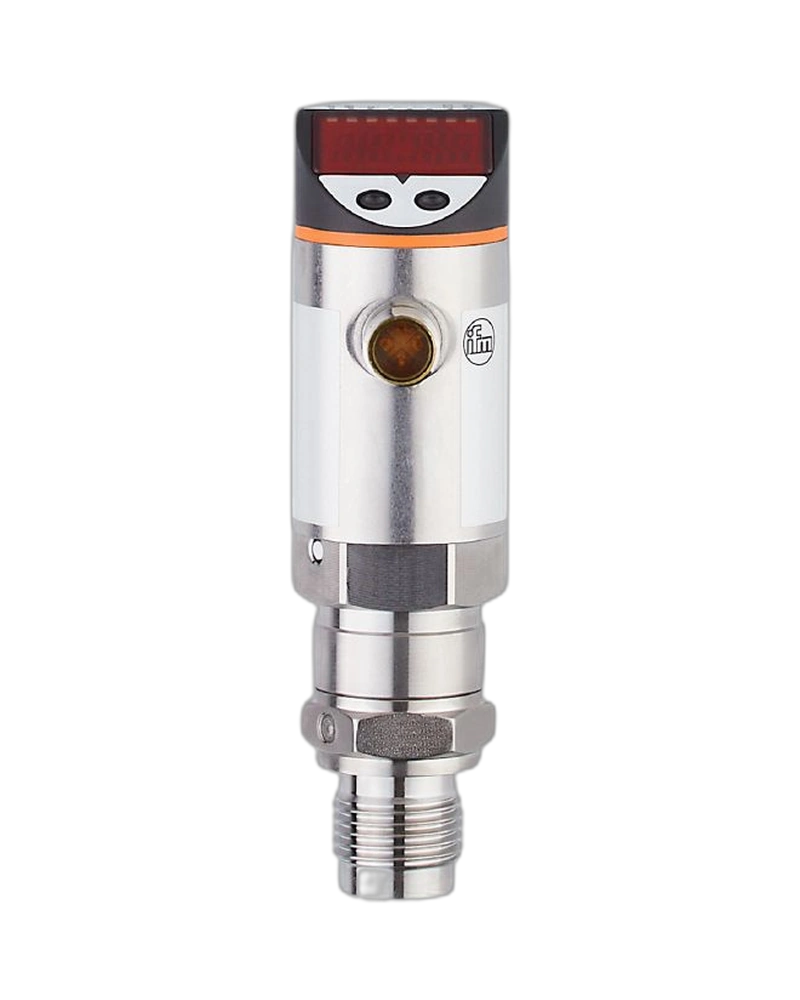
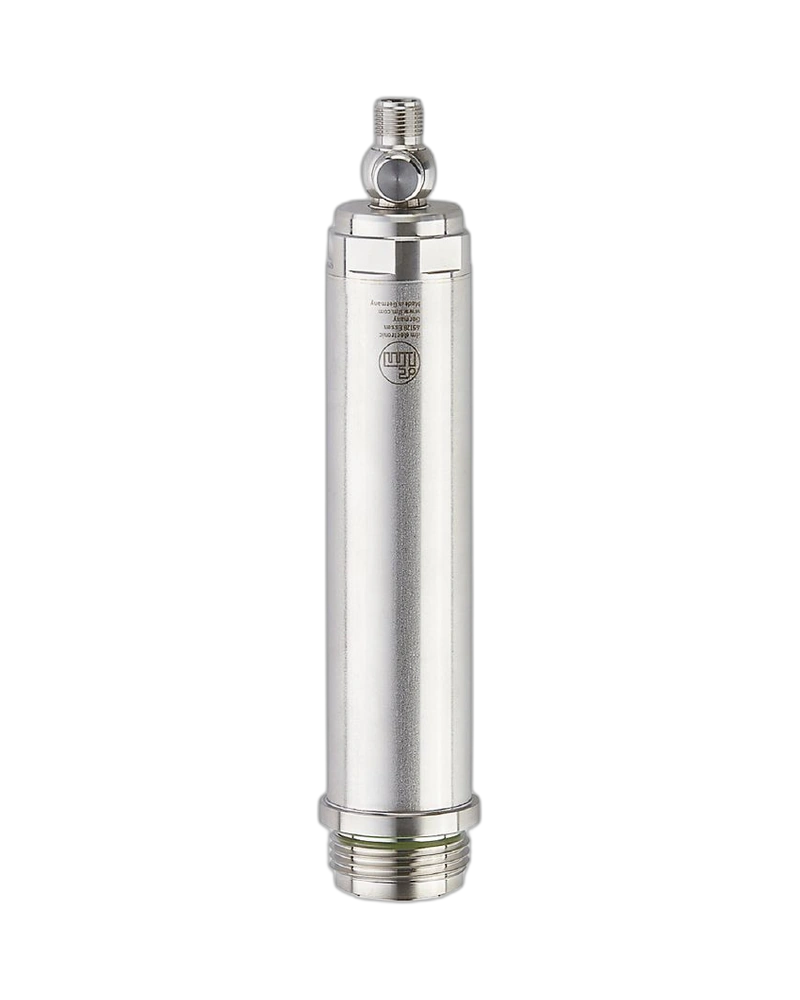
The IFM PL1515 is a flush pressure transmitter designed for monitoring very low pressure conditions in industrial process applications. Its flush sensing interface provides direct pressure measurement while helping minimize recessed areas around the process connection. The transmitter supplies continuous pressure information to compatible control and monitoring systems. Its compact industrial design supports straightforward installation into suitable process equipment. The PL1515 is suitable for low-pressure process monitoring and automation applications.
Explore performance details, construction highlights, applications, and technical information in one clear overview.
The PL1515 is designed for applications requiring measurement within a very low pressure range. Its electronic sensing system continuously detects pressure and provides an electrical output corresponding to the measured condition. This allows connected automation systems to monitor small changes in process pressure. Such monitoring can be useful in controlled fluid systems and specialized industrial equipment. Correct selection of the pressure range is important for achieving suitable application performance.
The flush sensing interface places the pressure measurement surface directly at the process connection. This helps minimize cavities around the measuring point and can support easier cleaning in appropriate applications. The configuration is useful when process media retention should be reduced. It also provides a compact connection between the pressure sensor and the process. The design supports integration into compatible industrial process equipment.
The PL1515 can be mounted directly into suitable pressure circuits and process equipment. Its compact construction helps reduce installation space requirements and simplifies positioning near the pressure source. The transmitter can be integrated into machine layouts where conventional larger pressure instruments may be less convenient. Its industrial construction supports reliable operation in suitable environments. This makes it practical for continuous pressure monitoring applications.
The transmitter provides pressure information that can be used by automation controllers for process monitoring and control. Pressure feedback can support alarm functions, process regulation and equipment protection. Continuous measurement allows pressure variations to be identified during operation. This information can be incorporated into automated machine sequences. The PL1515 is therefore suitable for applications requiring dependable low-pressure feedback.
Very low-pressure measurement capability
Flush pressure sensing interface
Continuous pressure monitoring
Compact industrial construction
Direct process mounting
Suitable for automation integration
Process-friendly sensing design
Reliable pressure feedback
Very low-pressure monitoring
Industrial process equipment
Fluid pressure measurement
Process automation
Pressure-controlled machinery
Pump and pipeline monitoring
Specialized pressure systems
Automated process supervision
| Specification | Details |
|---|---|
| Product Model | PL1515 |
| Product Type | Flush pressure transmitter |
| Product Family | PL series |
| Model Designation | PL-006-REA12-A-DKG/US/ |
| Pressure Range | 0 to 6 bar class |
| Measuring Principle | Electronic pressure measurement |
| Sensing Type | Flush-mounted |
| Process Connection | REA12 type |
| Electrical Connection | DKG/US type |
| Output | Electrical pressure signal |
| Measurement Mode | Continuous |
| Installation | Process mounting |
| Housing | Compact industrial housing |
| Sensing Interface | Flush pressure interface |
| Application Area | Industrial process automation |
| Medium | Compatible process media |
| Mounting | Threaded |
| Pressure Monitoring | Continuous |
| Control Integration | Industrial automation systems |
| Process Suitability | Low-pressure applications |
| Construction | Compact |
| Environmental Use | Industrial |
| Maintenance | Application-dependent |
| Manufacturer | IFM |
| Category | Pressure Sensors |
Browse product families and jump into the exact catalog section you need.