
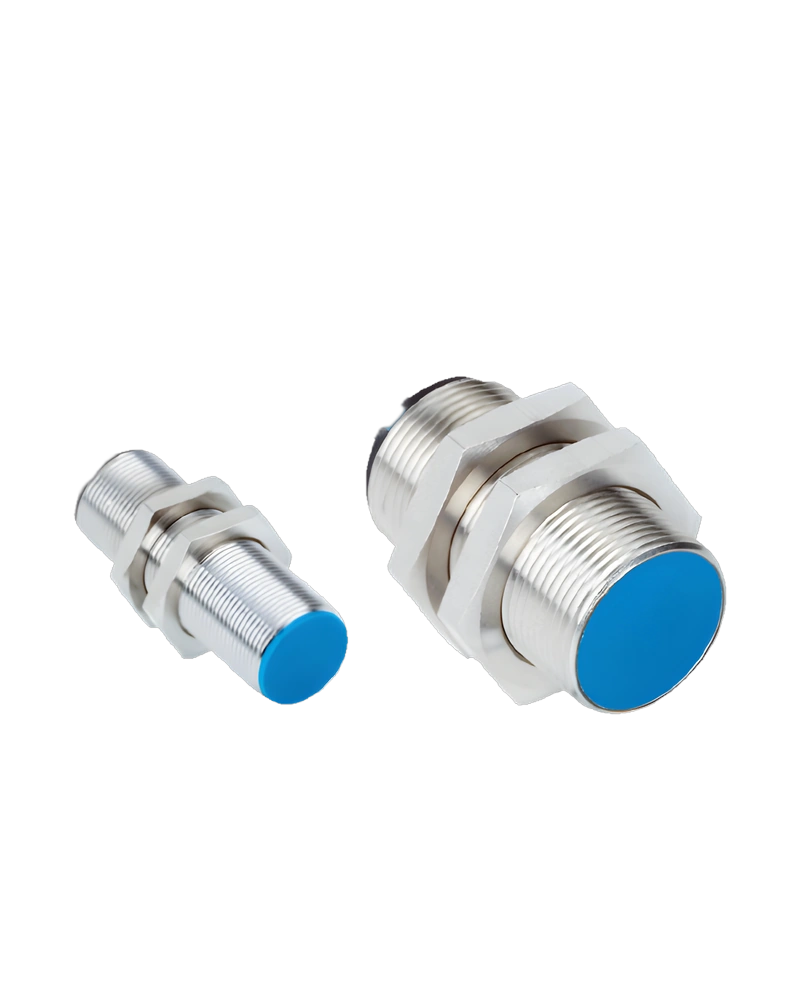
Explore performance details, construction highlights, applications, and technical information in one clear overview.
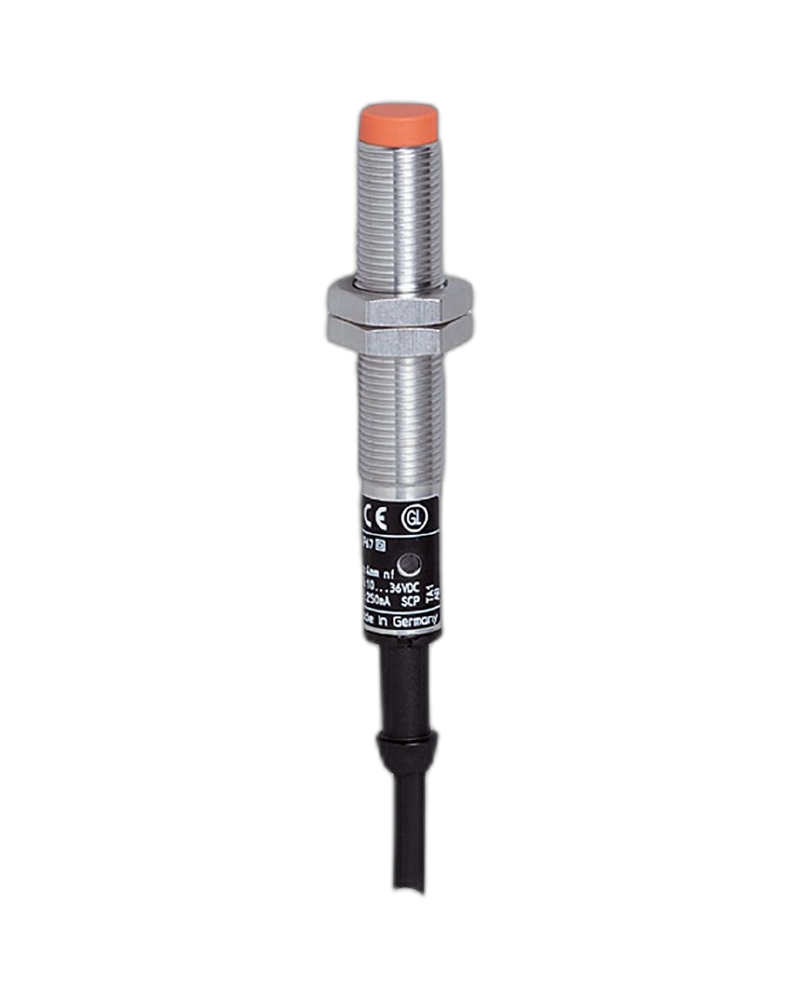
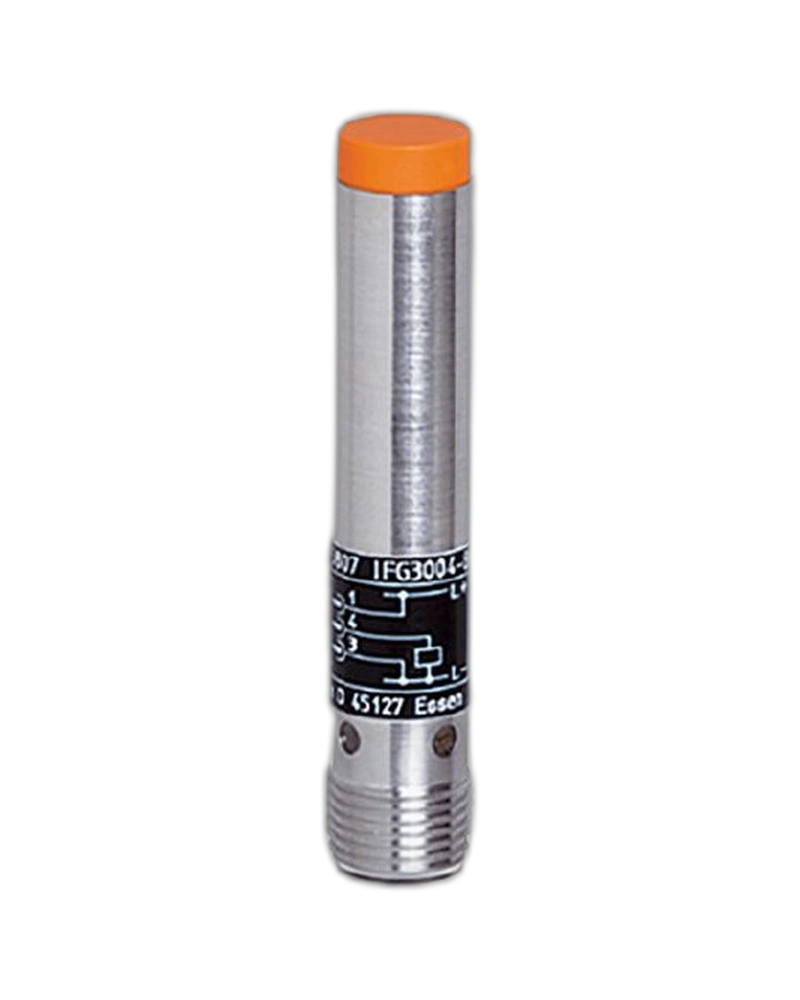
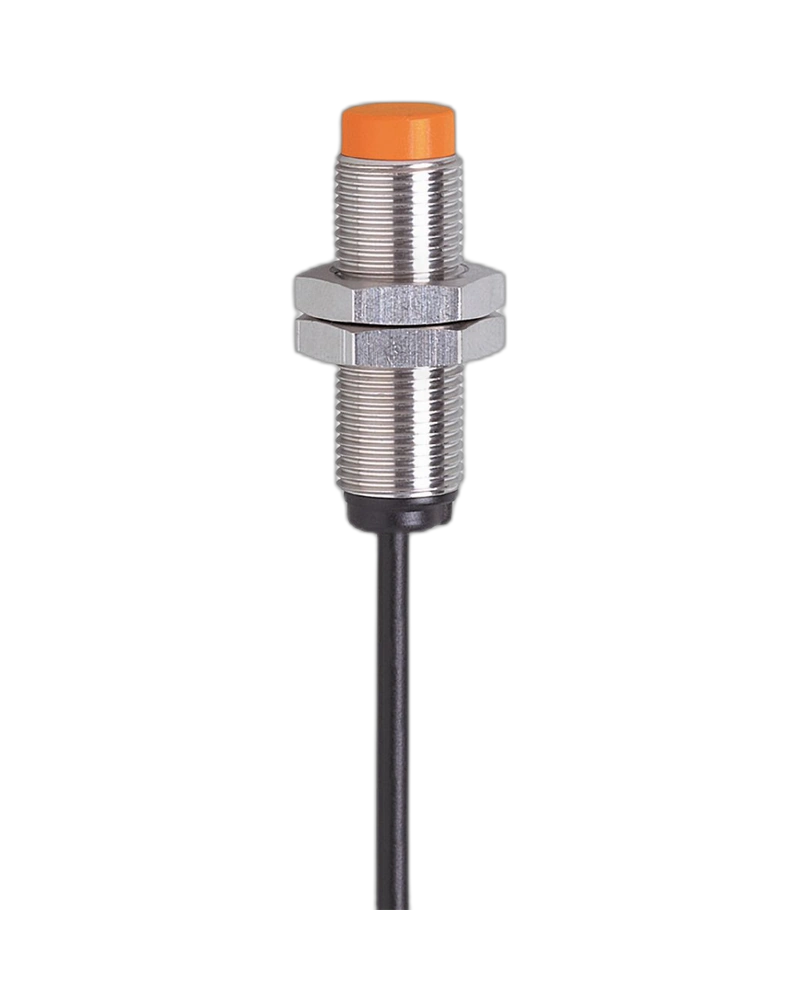
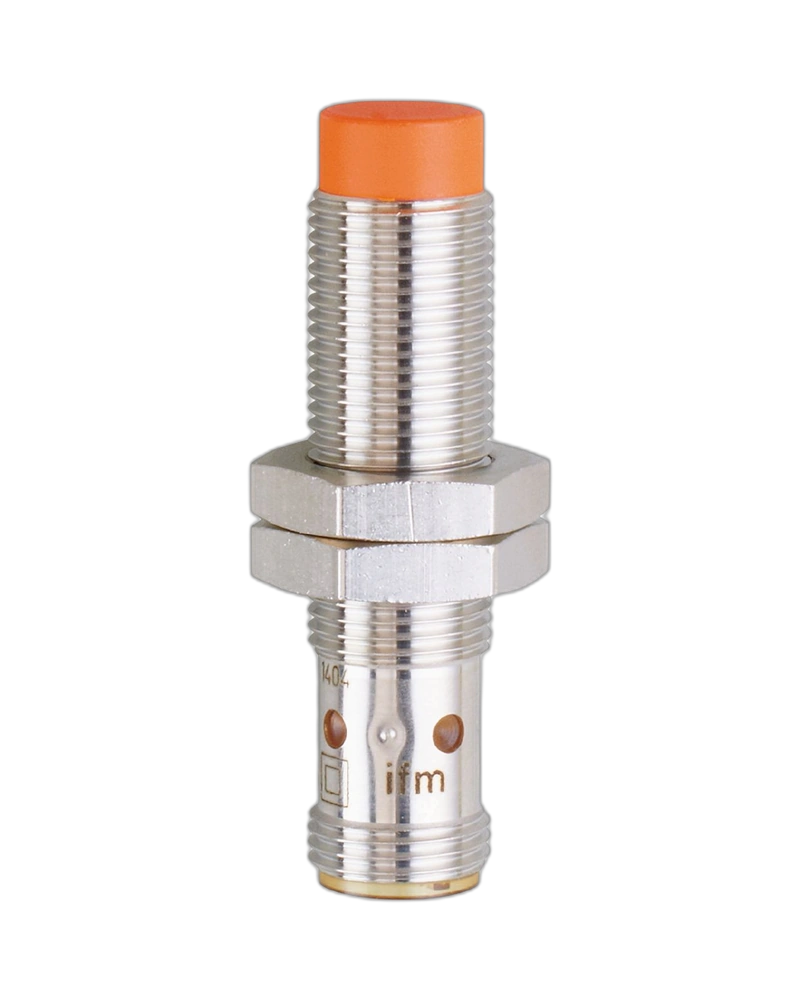
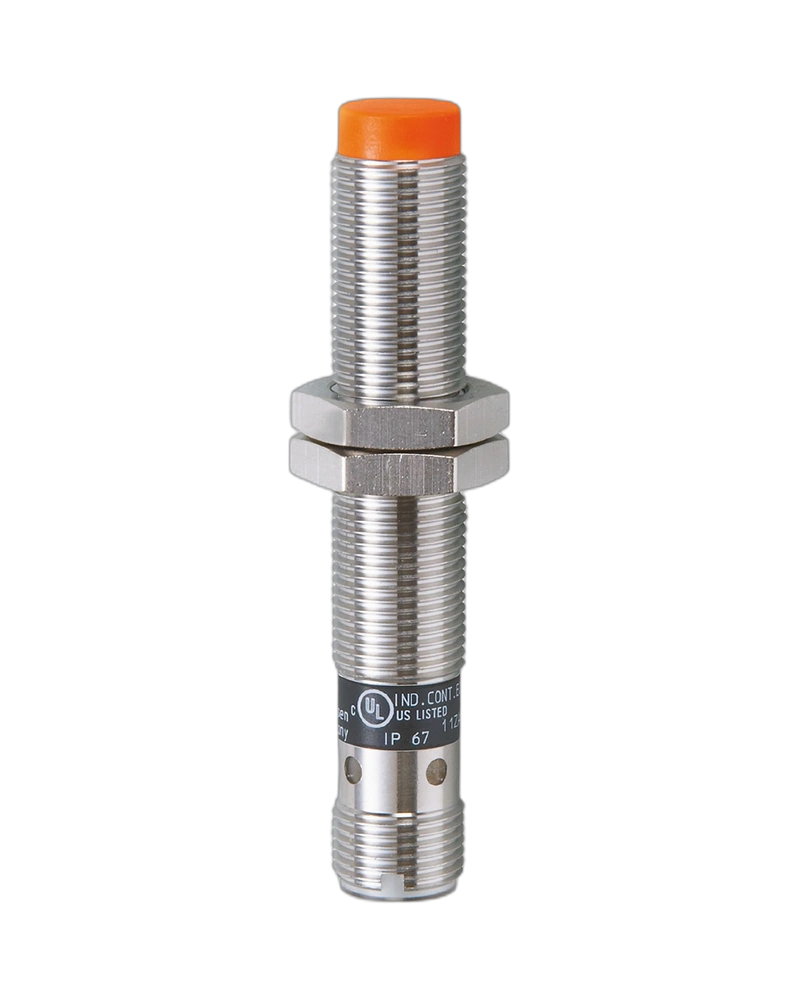
The SICK IMN inductive proximity sensors offer reliable, safe detection in hazardous environments. Designed for robust performance, these sensors provide accurate non-contact detection of metallic objects without physical contact. Their high quality and reliability make them ideal for use in explosion-hazardous areas, ensuring consistent operation even under demanding industrial conditions. The IMN series is specifically engineered to meet stringent safety requirements, with certification support for ATEX environments. Whether operating in Category 1G or 2G zones, these sensors deliver dependable performance, making them a trusted choice across various industrial sectors where safety and precision are critical.
The IMN inductive proximity sensors utilize advanced inductive detection technology to identify metallic objects reliably. This non-contact method ensures long-term durability and minimal wear on the sensor components. The sensors are built with a focus on safety, enabling their use in ATEX-certified environments. Their NAMUR compatibility allows seamless integration into safety-critical systems where reliable signal transmission is essential. With proven performance across different hazardous classifications—Category 1G or 2G—the IMN series ensures safe operation without compromising detection accuracy. This makes them particularly suitable for applications requiring continuous, fault-tolerant monitoring in potentially explosive atmospheres.
The IMN sensors are designed with a focus on reliability and safety in hazardous areas. They are available in configurations that meet ATEX standards, ensuring safe operation in Category 1G or 2G environments. The sensors provide consistent detection performance through proven inductive technology, maintaining accuracy regardless of environmental fluctuations. While specific technical values such as operating voltage, response time, or detection range are not provided in the official source material, their design emphasizes high reliability and long-term stability. These characteristics ensure that the IMN series remains effective under varying industrial conditions while maintaining compliance with safety regulations for explosive atmospheres.
The IMN inductive proximity sensors are compatible with NAMUR standards, enabling straightforward integration into existing safety systems. This compatibility ensures reliable signal transmission and supports use in critical control applications where fault detection is essential. The sensors can be easily connected to control systems through standard interface options, allowing for seamless deployment without extensive reconfiguration. Their design supports both simple on/off switching and more complex logic functions depending on system requirements. With proven integration capabilities, the IMN series offers flexibility across different automation environments while maintaining high safety performance in hazardous zones.
The IMN sensors are specifically designed for operation in explosion-hazardous areas, including those classified as Category 1G or 2G according to ATEX standards. Their robust construction ensures reliable performance under harsh industrial conditions such as temperature variations and mechanical stress. The sensors maintain consistent detection accuracy even when exposed to dust, moisture, or vibration—common challenges in real-world environments. As long as the operating environment remains within specified limits, these sensors deliver safe and stable operation without degradation of performance. Their suitability for hazardous areas underscores their value in applications where safety compliance is non-negotiable.
The IMN inductive proximity sensors are ideal for use in industrial environments where detection of metallic objects is required in potentially explosive atmospheres. Common applications include packaging, manufacturing, and process control systems where safe operation in hazardous zones is essential. Their ability to function reliably in Category 1G or 2G ATEX areas makes them suitable for use in chemical processing, pharmaceutical production, and energy sectors. These sensors are especially valuable in safety-critical processes where continuous monitoring of metal presence ensures operational integrity and compliance with explosion protection regulations.
| Specification | Value |
|---|---|
| Enclosure rating | IP67 |
| width | 100%; |
| height | var(--mat-progress-bar-track-height, 4px); |
| border-top-width | var(--mat-progress-bar-active-indicator-height, 4px); |
| background-image | radial-gradient(circle, var(--mat-progress-bar-track-color, var(--mat-sys-surface-variant)) calc(var(--mat-progress-bar-track-height, 4px) / 2), transparent 0); |
| background-size | calc(calc(var(--mat-progress-bar-track-height, 4px) / 2) * 5); |
| animation | mdc-linear-progress-secondary-indeterminate-scale calc(2s * var(--mat-progress-bar-animation-multiplier)) infinite linear; |
| transform | rotate(180deg) translateX(calc(var(--mat-progress-bar-track-height, 4px) * -2.5)); |
| Output according to DIN EN | 60947-5-6 |
| Sensing ranges | 1 mm to 15 mm |
| Temperature range | –20 °C to +70 °C |
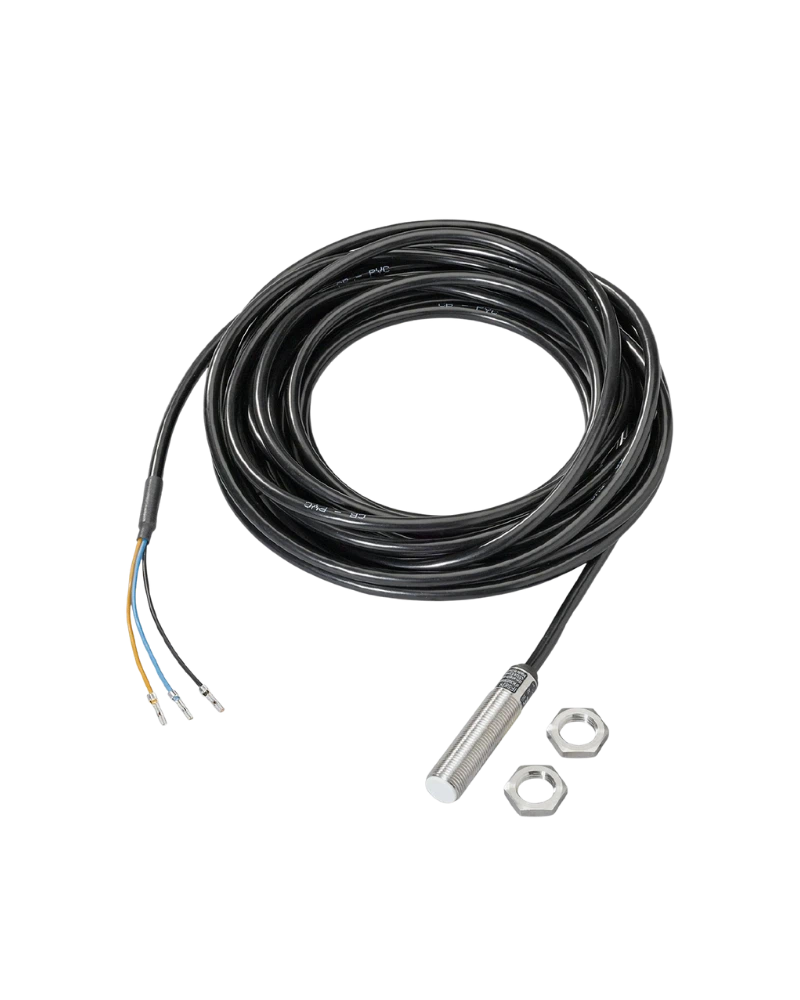
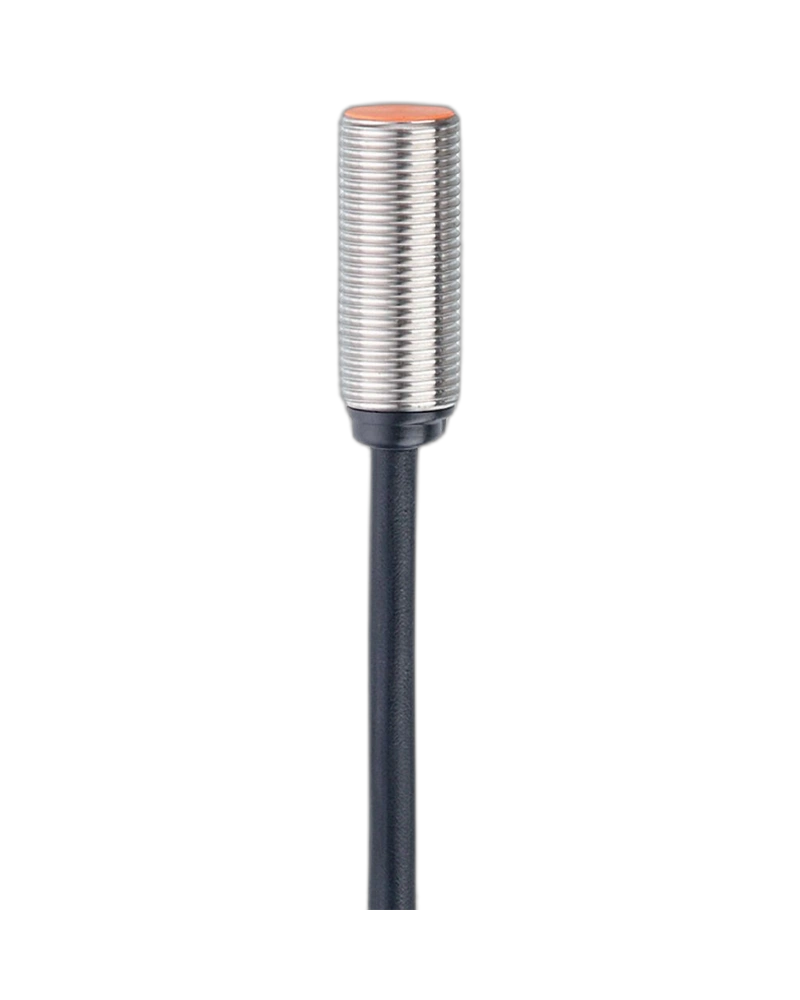
Browse product families and jump into the exact catalog section you need.