
Explore performance details, construction highlights, applications, and technical information in one clear overview.
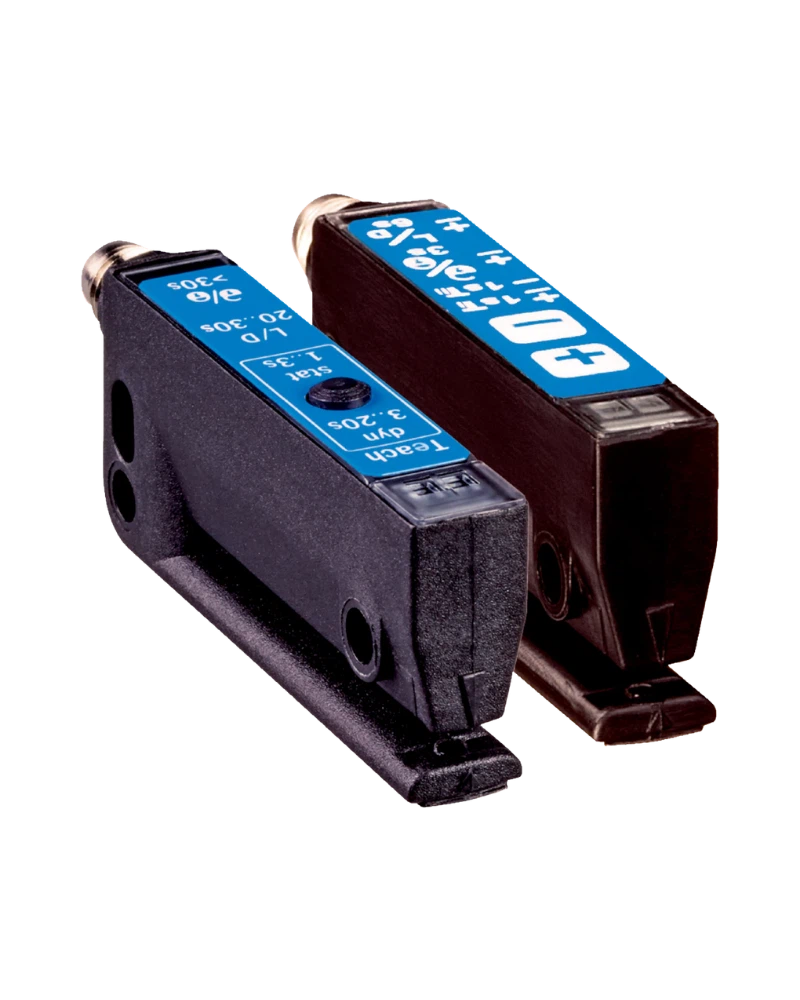
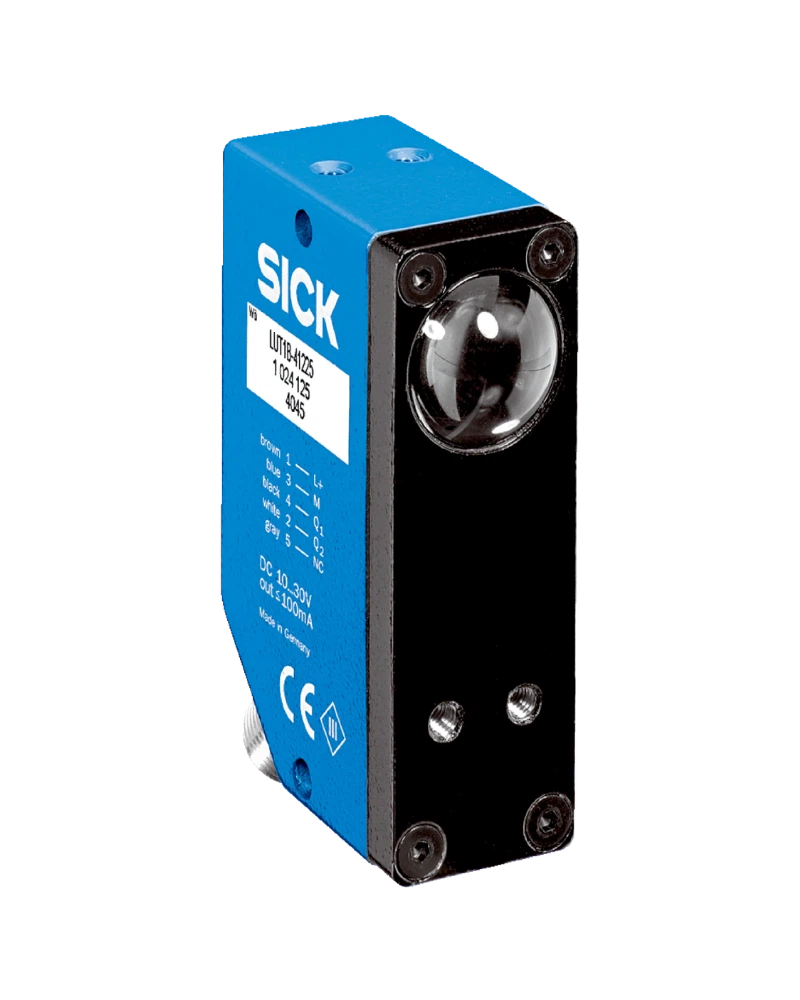
The WFS fork sensors from SICK are designed for reliable detection of label gaps during high-speed strip operations. These sensors address a common challenge in labeling processes—accurate identification of the gap between label layers or between label and substrate. With the ability to teach-in the switching threshold while the label strip is running, operators can precisely set the sensor's response point without interrupting production. This real-time adaptability ensures consistent performance even under varying conditions, reducing false detections and improving process stability. The WFS series delivers dependable detection in demanding environments where precision timing and reliability are critical to maintaining throughput and product quality.
The WFS fork sensors feature a unique switching threshold teaching capability that allows users to adjust the detection point dynamically while the label strip is in motion. This eliminates difficulties associated with detecting small or inconsistent label gaps, which are common during automated labeling processes. By enabling on-the-fly calibration during operation, the sensor adapts to real-time conditions without requiring downtime. This technology ensures accurate and repeatable gap detection, even when variations occur due to material thickness, tension, or alignment shifts. The system's adaptability enhances process flexibility and reduces the risk of misalignment or missed detections in continuous production lines.
The WFS fork sensors are engineered for precise switching performance with a teach-in capability for the switching threshold during operation. This allows users to set the exact detection level while the label strip is running, ensuring optimal sensitivity and reliability. The sensor's design supports consistent response across different label configurations without requiring pre-set calibration values. No specific voltage, current, or range values are provided in the official documentation, but the core functionality centers on dynamic threshold adjustment during operation. This feature ensures that the sensor can respond accurately to varying gap sizes and environmental conditions encountered in real-world labeling applications.
The WFS fork sensors integrate seamlessly into existing label handling systems through standard industrial interfaces. Configuration is simplified via on-line teaching of the switching threshold while the label strip is actively running, enabling quick setup without stopping production. No specific connection types or communication protocols are detailed in official sources, but the teach-in function supports real-time adjustment during operation. This makes integration straightforward for automation engineers and technicians who require minimal downtime when setting up new or modified labeling processes. The sensor's design ensures compatibility with a range of industrial control systems through standard electrical signaling.
The WFS fork sensors are designed to operate in typical industrial environments where label handling takes place. While specific environmental ratings such as temperature, humidity, or dust resistance are not provided in the official documentation, their functionality during continuous operation suggests robustness under standard production conditions. The ability to teach-in the switching threshold while the strip is running indicates that the sensor can function reliably in dynamic settings with fluctuating physical parameters. This feature supports stable performance even when minor variations occur due to environmental or mechanical influences during label feeding and alignment.
The WFS fork sensors are primarily used in industrial labeling applications where precise gap detection is essential, such as in packaging, pharmaceuticals, or consumer goods manufacturing. These sensors help ensure accurate positioning of labels on products by detecting the presence or absence of a label gap during feeding. Their ability to teach-in the switching threshold while the strip runs makes them ideal for processes with variable label configurations or where initial alignment may not be perfectly consistent. This application-specific functionality supports high-speed, reliable operation in environments requiring continuous and repeatable detection without process interruptions.
| Specification | Value |
|---|---|
| response time | guarantees exceptional repeat accuracy. |

Browse product families and jump into the exact catalog section you need.