
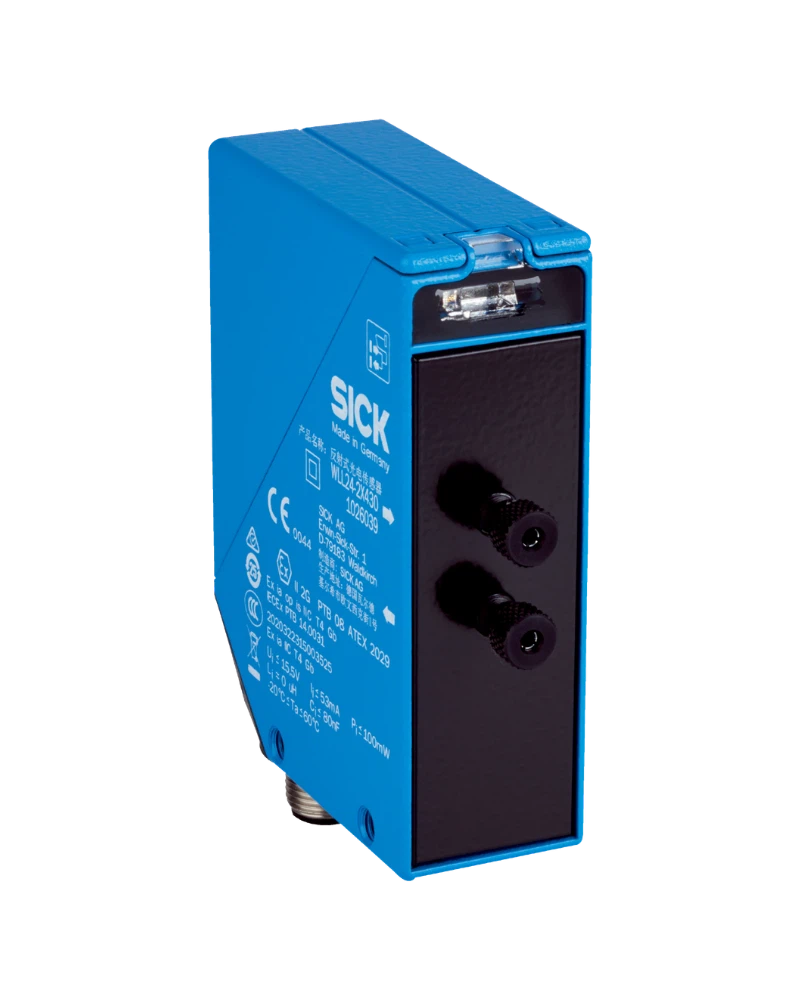
Explore performance details, construction highlights, applications, and technical information in one clear overview.
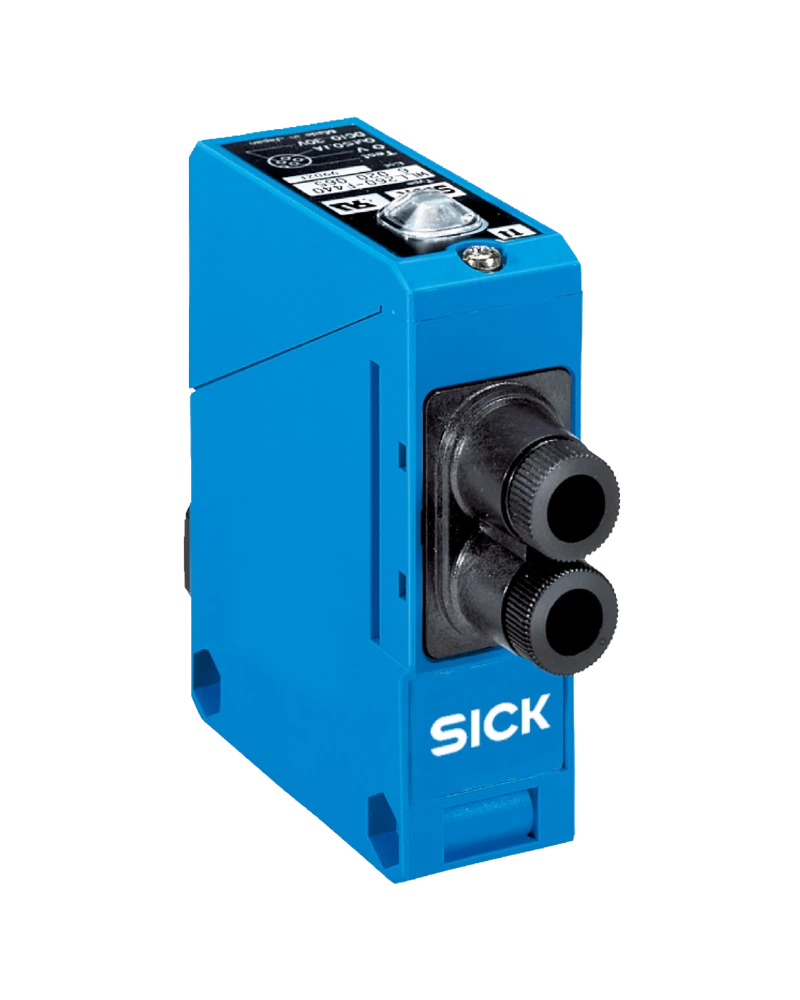
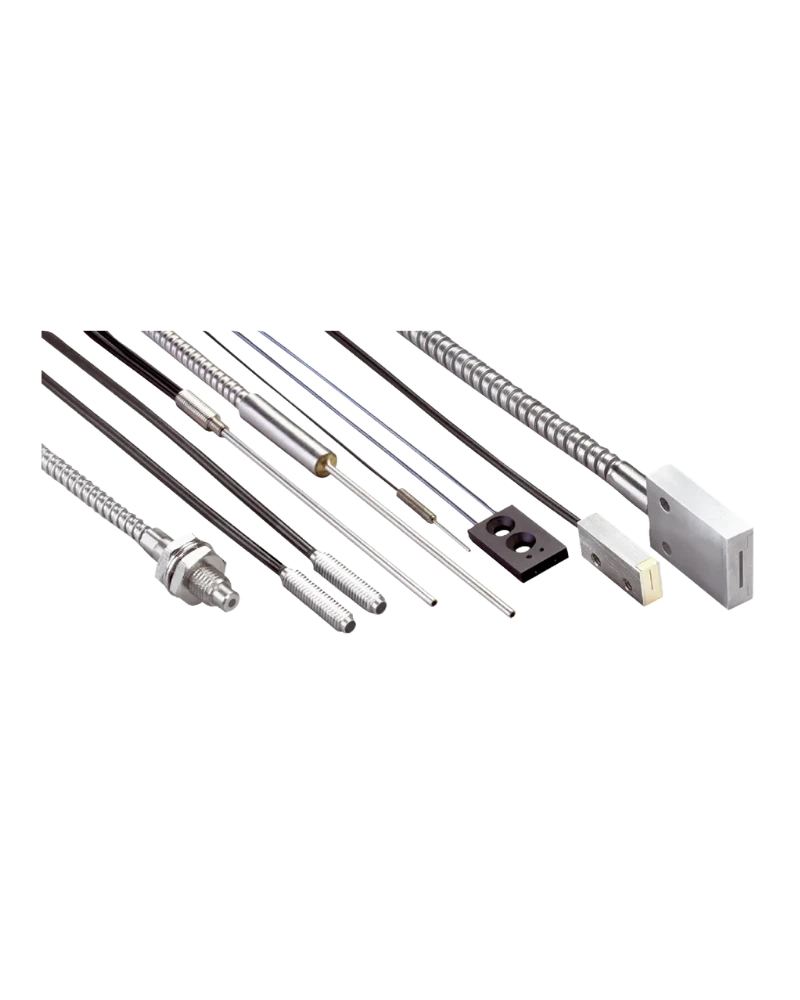
The WLL24 is a powerful 2G fiber-optic sensor designed for use in explosive environments. It offers exceptional reliability and long-term performance through its robust metal housing, which ensures high stability and a prolonged service life in harsh industrial conditions. As part of the WLL24 product family, this sensor meets stringent safety requirements for use in hazardous areas by complying with device category 2G standards. The sensor is engineered to deliver consistent performance even under challenging operational conditions, making it ideal for applications where both safety and durability are critical. With special electronics integrated into its design, the WLL24 achieves long sensing distances and ranges, overcoming typical limitations imposed by 2G classification standards. Its intrinsically safe operation ensures compliance with explosion protection requirements in potentially hazardous atmospheres.
The WLL24 leverages advanced fiber-optic technology combined with specialized electronics to achieve reliable, long-range sensing performance in explosive environments. The sensor is specifically designed for device category 2G, where safety standards can limit sensing range due to inherent electrical constraints. SICK’s proprietary electronics overcome these limitations by enabling efficient signal transmission over fiber-optic cable systems, ensuring consistent detection performance regardless of environmental or standard-based restrictions. The sensor incorporates intrinsically safe NAMUR amplifiers, which are essential for maintaining safety in hazardous zones. This technology ensures that the sensor remains safe under all operating conditions while delivering high sensitivity and stability. The use of a metal housing further enhances mechanical robustness and thermal resistance, contributing to overall system longevity and performance consistency.
The WLL24 features a metal housing providing very high stability and long service life in harsh industrial environments. It is specifically engineered for explosive atmospheres under device category 2G standards. The sensor employs special electronics to efficiently achieve long sensing distances and ranges, overcoming standard limitations imposed by the 2G classification. These capabilities are realized through optimized signal processing within the fiber-optic system. The required intrinsically safe NAMUR amplifiers are available as part of the product offering, ensuring full compliance with safety regulations in hazardous areas. While specific sensing distance values are not provided in the source material, the design enables extended ranges through advanced electronic support. All technical performance is aligned with explosion protection requirements and industrial reliability standards.
The WLL24 integrates seamlessly into existing fiber-optic cable systems, allowing for flexible deployment across various industrial setups. The sensor works in conjunction with standard fiber-optic cables to transmit signals over long distances without signal degradation. Its compatibility with NAMUR amplifiers ensures that it can be safely integrated into intrinsically safe circuits commonly used in hazardous environments. Installation requires connecting the sensor to a compatible fiber-optic cable system, which is then linked to a suitable amplifier or control unit. The modular design supports easy integration into process control systems and safety networks. No additional hardware or modifications are required beyond standard cable connections and amplifier pairing. This straightforward configuration makes the WLL24 accessible for both new installations and retrofitting existing safety systems.
The WLL24 is designed to operate reliably in harsh industrial environments, including those with high levels of vibration, temperature fluctuations, and mechanical stress. The metal housing provides excellent resistance to physical damage and environmental degradation, ensuring long-term stability under demanding conditions. It is specifically rated for use in explosive atmospheres where device category 2G safety standards apply. While exact temperature or humidity ranges are not specified in the source material, its robust construction supports operation in typical industrial settings with extreme conditions. The sensor maintains performance consistency across a wide range of operational environments due to its intrinsically safe design and stable fiber-optic transmission technology. This makes it suitable for continuous use in high-risk zones where safety and durability are paramount.
The WLL24 is ideal for industrial applications involving hazardous environments such as chemical processing, mining, or manufacturing processes with flammable atmospheres. Its ability to operate safely within device category 2G makes it suitable for use in areas where explosion protection is mandatory. The sensor’s long sensing range and high stability allow effective monitoring of critical process parameters like presence/absence detection over extended distances. It can be deployed in safety-critical systems such as level detection, object presence sensing, or proximity monitoring in confined spaces. Its robust design ensures reliable performance even during prolonged exposure to vibration or temperature extremes. The integration with NAMUR amplifiers supports use in automated control and safety circuits where intrinsically safe operation is required.
| Specification | Value |
|---|---|
| WLL24 Powerful | 2G fiber-optic sensor for explosive environments |
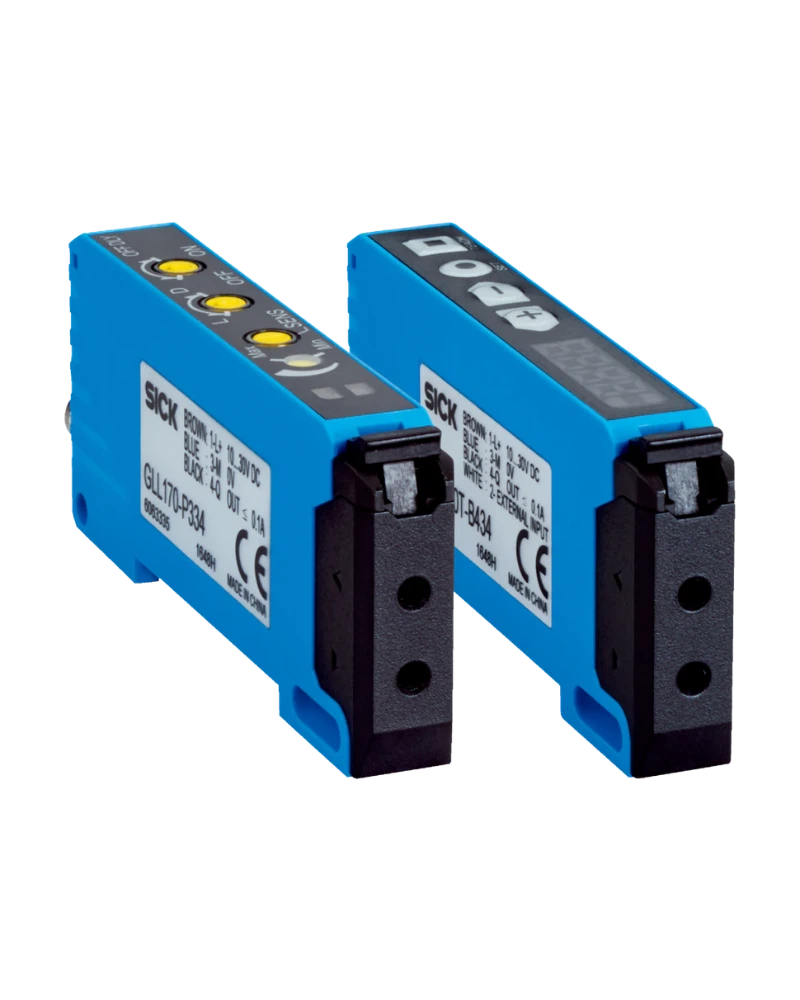
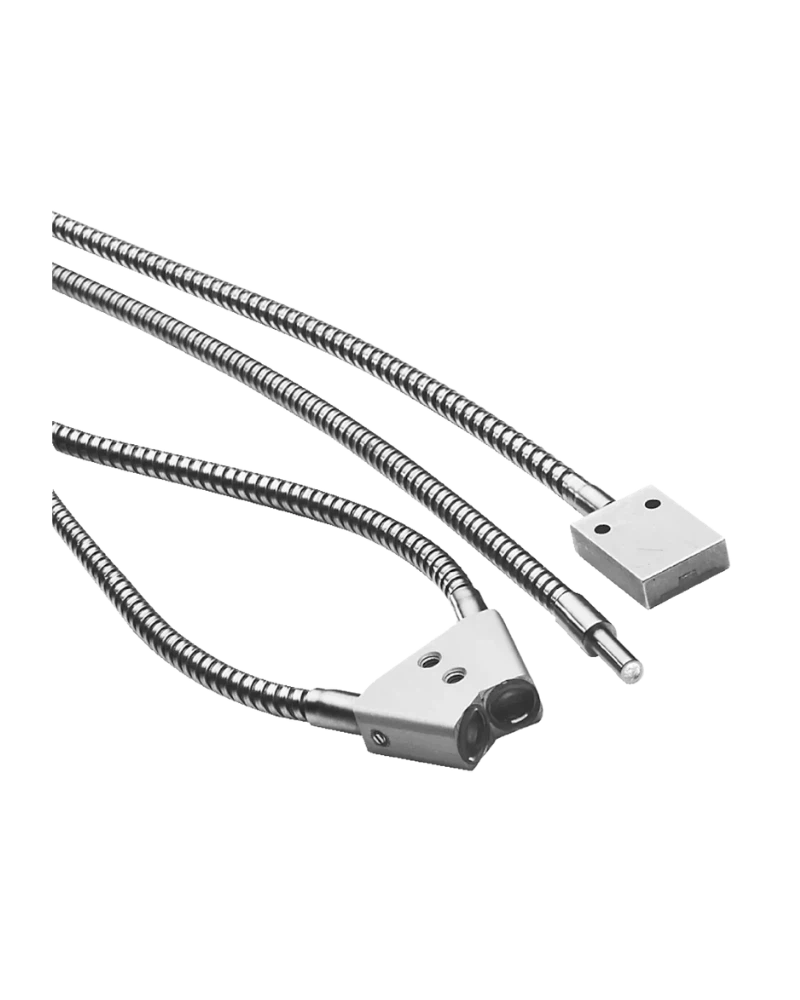
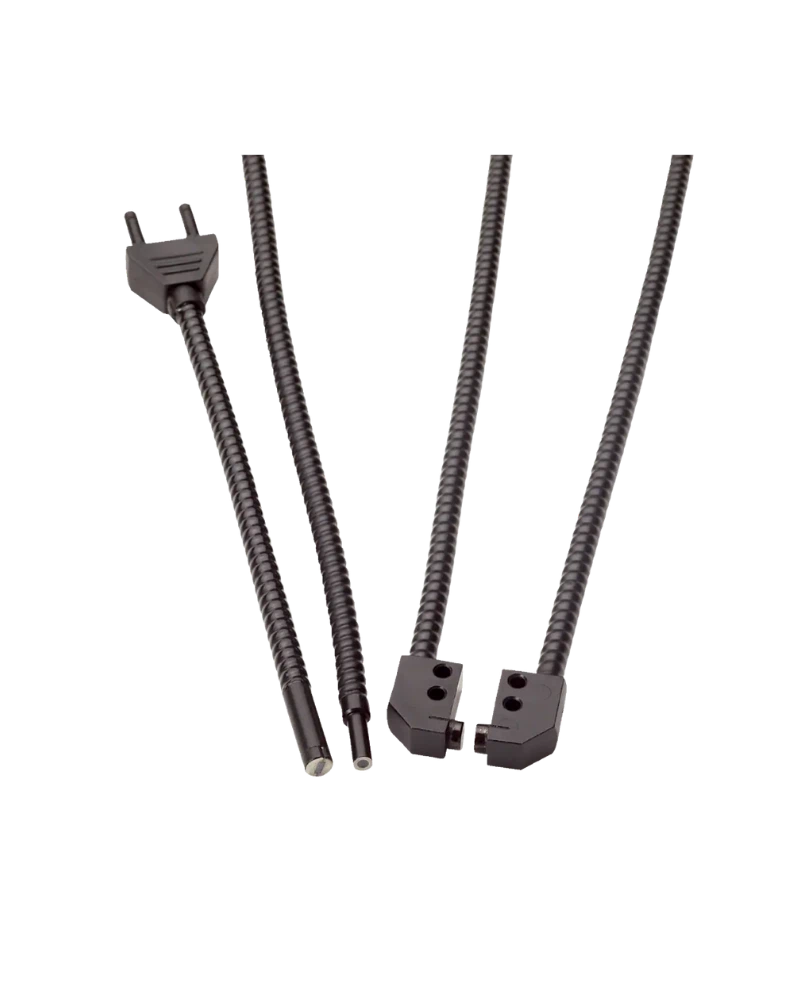
Browse product families and jump into the exact catalog section you need.