
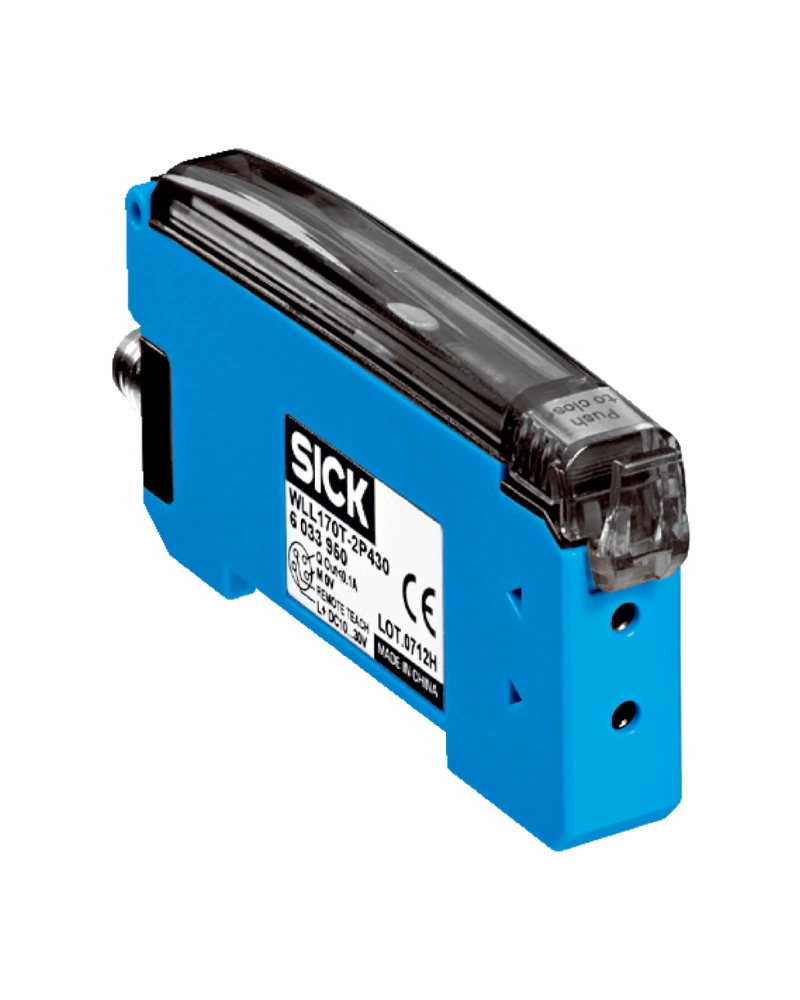
Explore performance details, construction highlights, applications, and technical information in one clear overview.
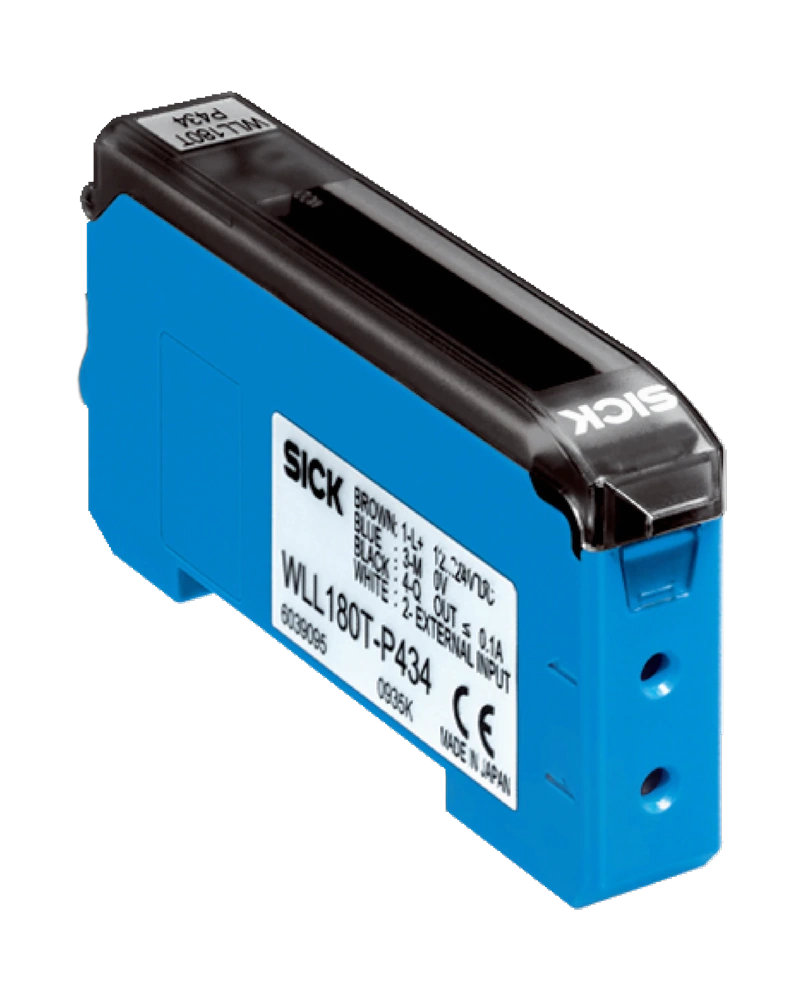
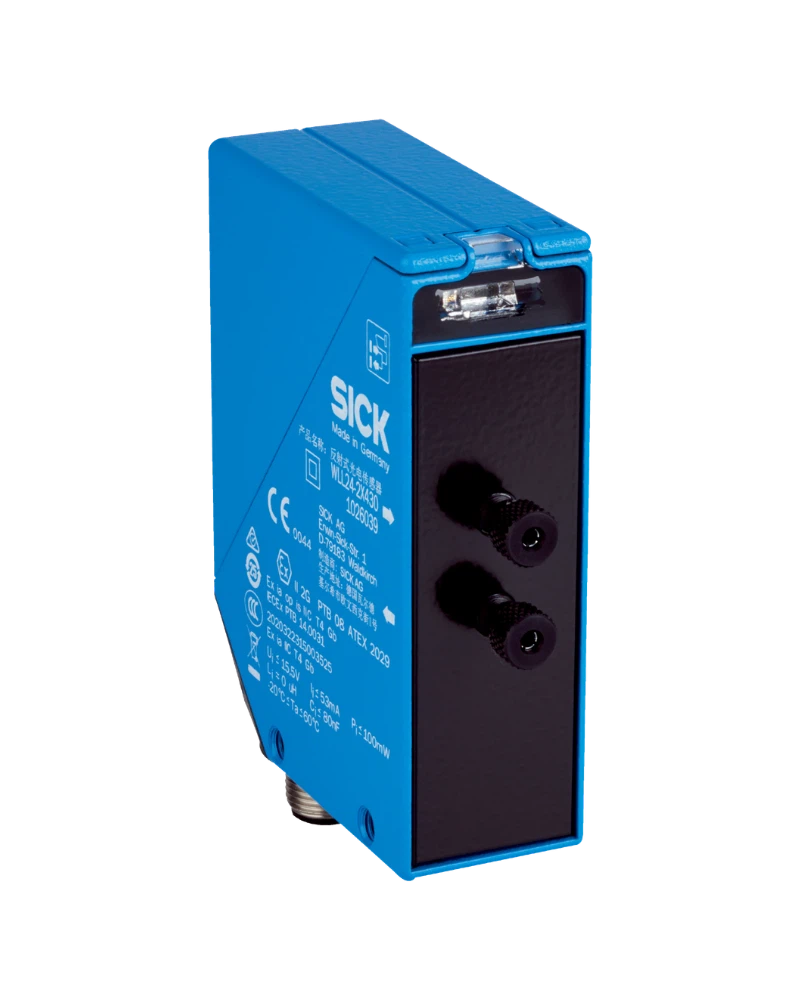
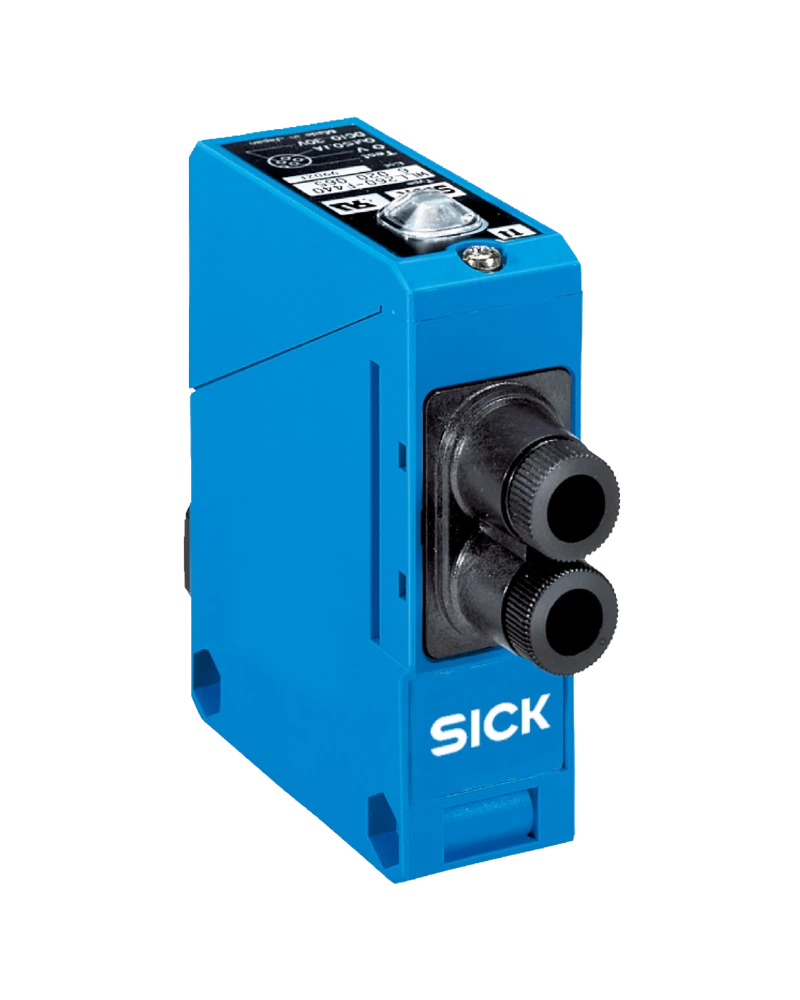
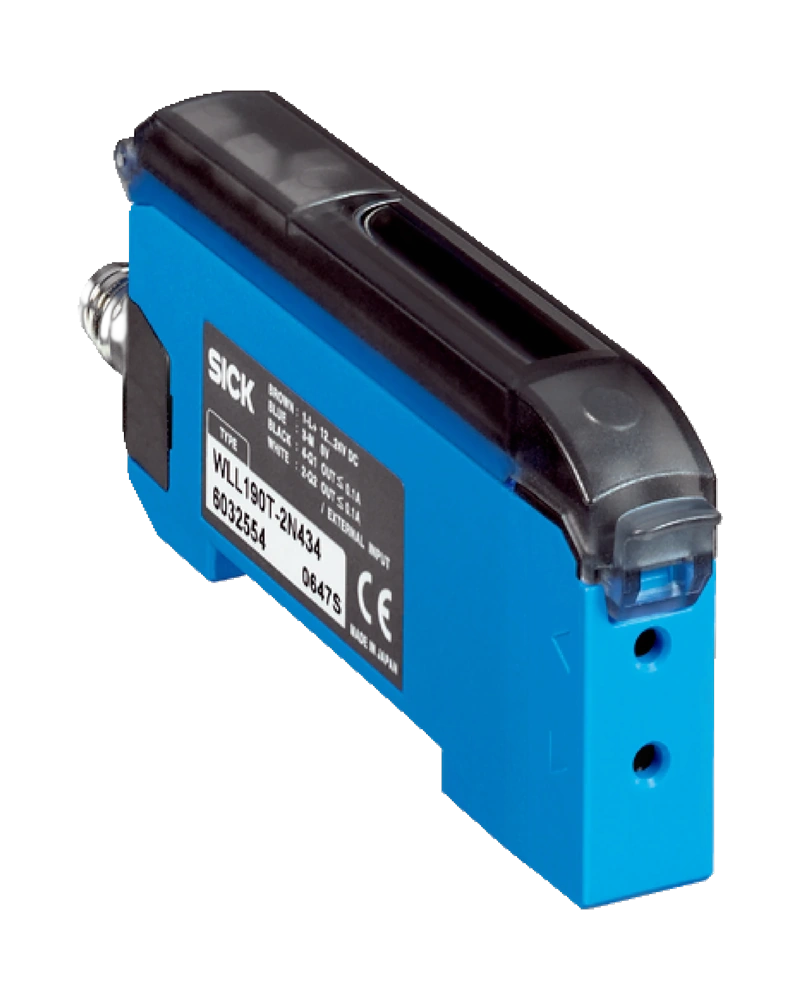
The SICK WLL170 is a compact fiber-optic sensor designed for reliable detection in demanding industrial environments. It offers two sensing modes—through-beam and proximity—providing flexibility for diverse applications. With a maximum sensing range of up to 4,000 mm in through-beam operation and 160 mm in proximity mode, the WLL170 delivers precise object detection across a wide range of scenarios. The sensor uses visible red light emitted by an LED source, ensuring clear signal transmission even under challenging lighting conditions. Its small footprint (10.5 mm x 35.5 mm x 83.7 mm) and robust construction make it ideal for integration into tight spaces or automated systems where space and reliability are critical.
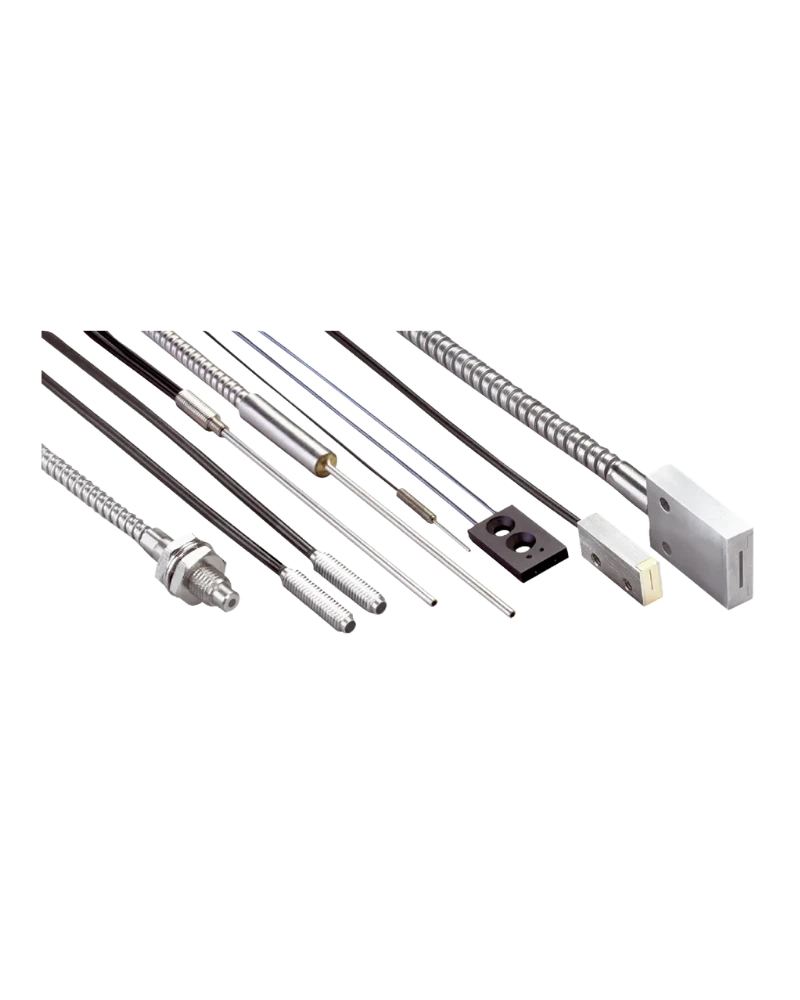
The WLL170 leverages fiber-optic technology to achieve high sensitivity and immunity to electromagnetic interference. It operates using a visible red LED light source, which emits light through an optical fiber to detect objects based on reflection or interruption. The sensor supports both through-beam (up to 4,000 mm) and proximity sensing (up to 160 mm), enabling versatile deployment depending on installation requirements. With a response time of ≤250 µs and a switching frequency of up to 2,000 Hz, the WLL170 ensures fast and accurate detection. The light/dark switching mode allows users to select between detecting presence or absence of an object via a selector switch, enhancing adaptability in different process conditions.
The SICK WLL170 features a rectangular housing design optimized for ease of installation and alignment. It operates on a supply voltage range of 10 V DC to 30 V DC with a current consumption of 30 mA. The output is configured as PNP, suitable for standard industrial control systems. Switching mode is selectable via the light/dark selector, enabling operation in either presence or absence detection. The sensor has an average service life of 100,000 hours at rated conditions (T). It is designed with a plastic housing made from ABS/PC materials and meets IP66 protection standards, ensuring durability against dust and water spray. The maximum sensing range depends on the fiber-optic cable used, and detection performance is based on objects with 90% reflectivity according to DIN 5033 white standard.
The WLL170 connects via a male M8, 4-pin connector, facilitating straightforward integration into existing automation systems. The PNP output allows direct compatibility with most PLCs or industrial controllers without additional interface components. Users can configure the switching mode (light/dark) using the built-in selector switch, enabling flexible operation based on application needs. For through-beam applications, a separate detector must be installed opposite the sensor to complete the system. The sensor’s compact dimensions and standardized connection make it easy to mount in panels or machinery where space is limited. Full integration details and additional accessories are available at www.sick.com/WLL170.
The WLL170 is designed for operation within an ambient temperature range of –25 °C to +55 °C, making it suitable for both cold and hot industrial environments. It meets IP66 protection class, providing full dust tightness and resistance to water spray from any direction. The sensor is rated as Class III, indicating a high level of safety in terms of electrical design and operation. These environmental capabilities ensure reliable performance in harsh conditions such as outdoor installations or high-dust manufacturing processes. However, actual sensing range may vary depending on the fiber-optic cable used and object reflectivity, which must be considered during system planning.
The WLL170 is ideal for use in a variety of industrial automation tasks where reliable object detection is required. It can detect presence or absence of parts on conveyor lines, monitor material levels in bins, or verify product positioning in packaging systems. The through-beam mode (up to 4,000 mm) is particularly effective for long-range detection in assembly and inspection processes, while the proximity mode (up to 160 mm) suits close-range applications such as edge detection or part alignment. Its immunity to electromagnetic interference and fast response time make it suitable for use in environments with high noise levels or rapid cycling operations. Applications include automotive manufacturing, packaging, food processing, and material handling systems.
| Specification | Value |
|---|---|
| dimensions | in mm (inch) |
| sensing range | 0 mm ... 160 mm, Proximity system |
| light source | LED 6) |
| supply voltage | UB 10 V DC ... 30 V DC |
| response time | ≤ 250 µs 4) |
| switching frequency | 2,000 Hz |
| weight | 70 g |
| housing material | Plastic, ABS/PC |
| connector | M8, 4-pin |
| operating temperature | –25 °C ... +55 °C |
| Sensing range | depends on fiber-optic cable. |
| Current consumption | 30 mA |
| Switching output | PNP |
| Connection type | Male connector M8, 4-pin |
| Protection class | III |
| Ambient temperature | , storage –40 °C ... +70 °C |
| switching output | is active |
| value | IP66 10) |
| current | consumption 30 mA |
| switching | output PNP |
| connection | DIAGRAM CD-066 |
| enclosure rating | IP66 10) |
| ambient | temperature, storage –40 °C ... +70 °C |
| UB 10 V DC ... | 30 V DC |
| consumption | 30 mA |
| Dimensions (W x H x D) | 10.5 mm x 35.5 mm x 83.7 mm |
| Wave length | 660 nm |
| Average service life | 100,000 h at T |
| Supply voltage UB | 10 V DC ... 30 V DC |
| Number of switching outputs | 1 |
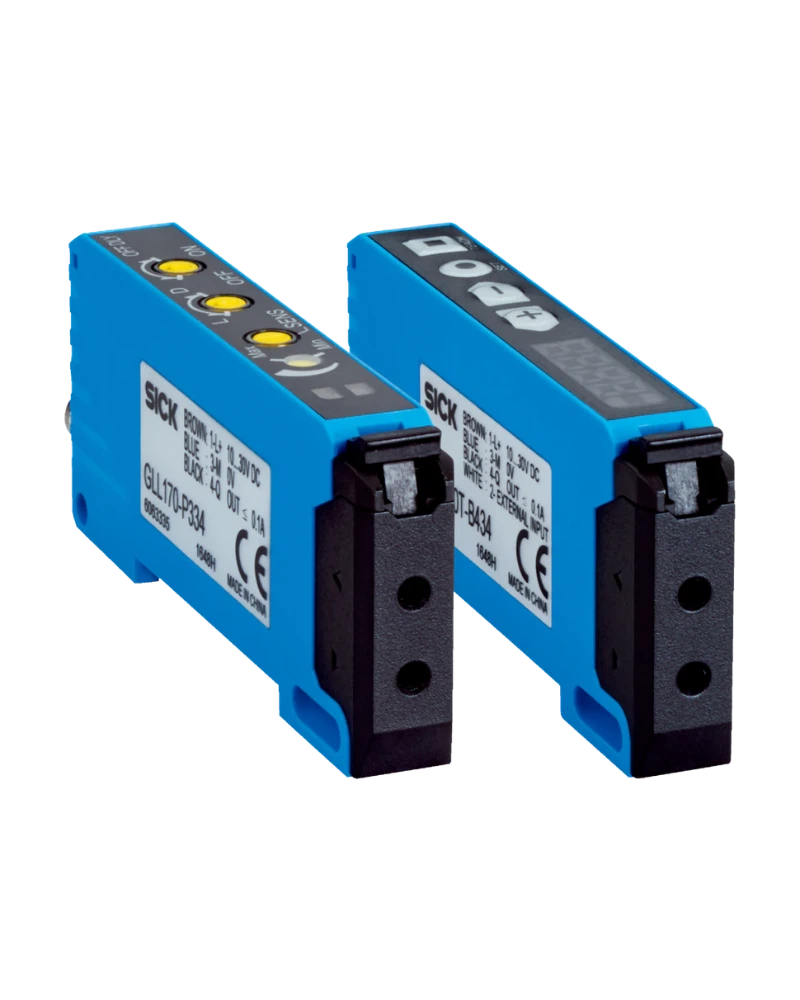
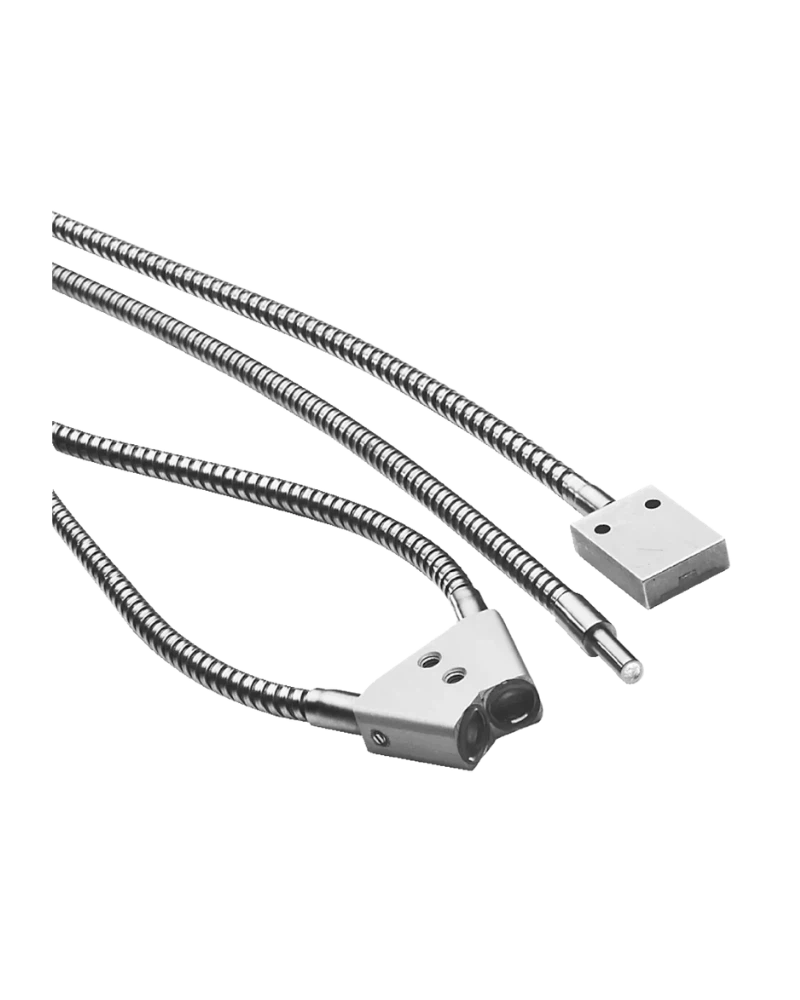
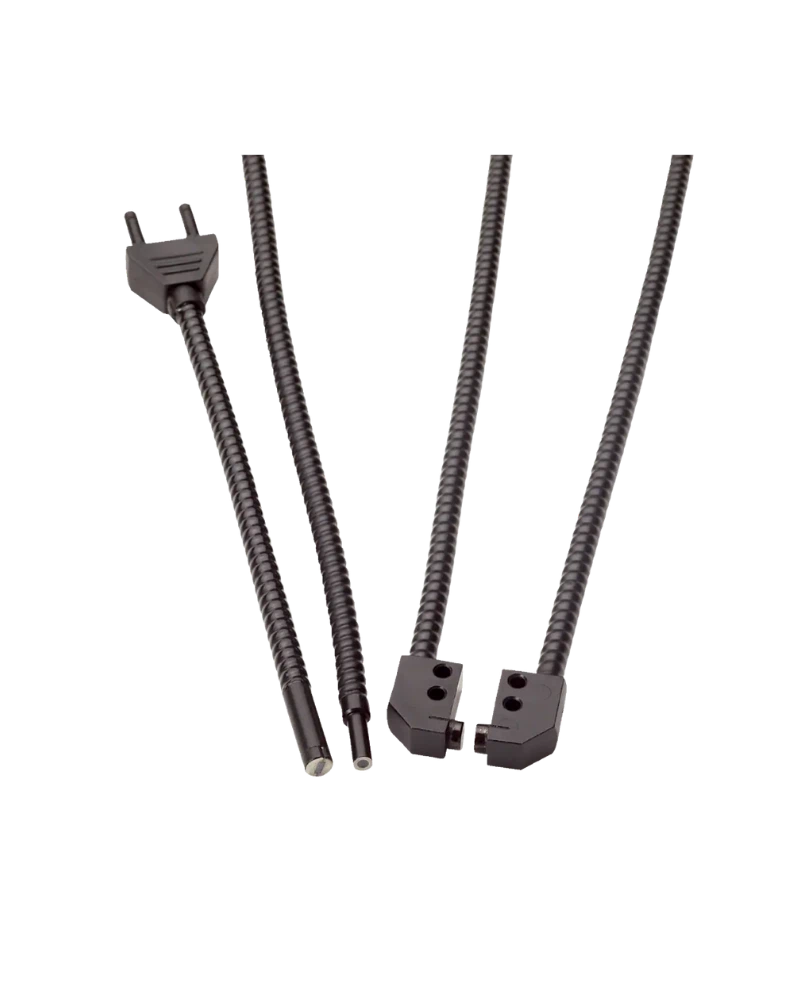
Browse product families and jump into the exact catalog section you need.