
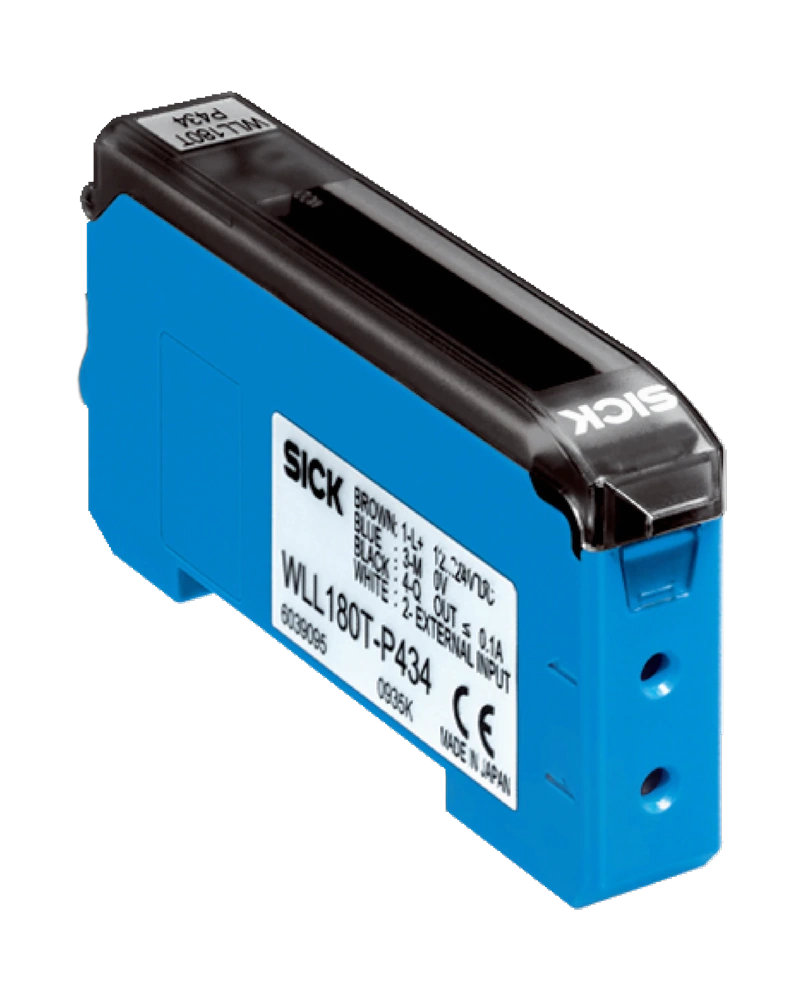
Explore performance details, construction highlights, applications, and technical information in one clear overview.
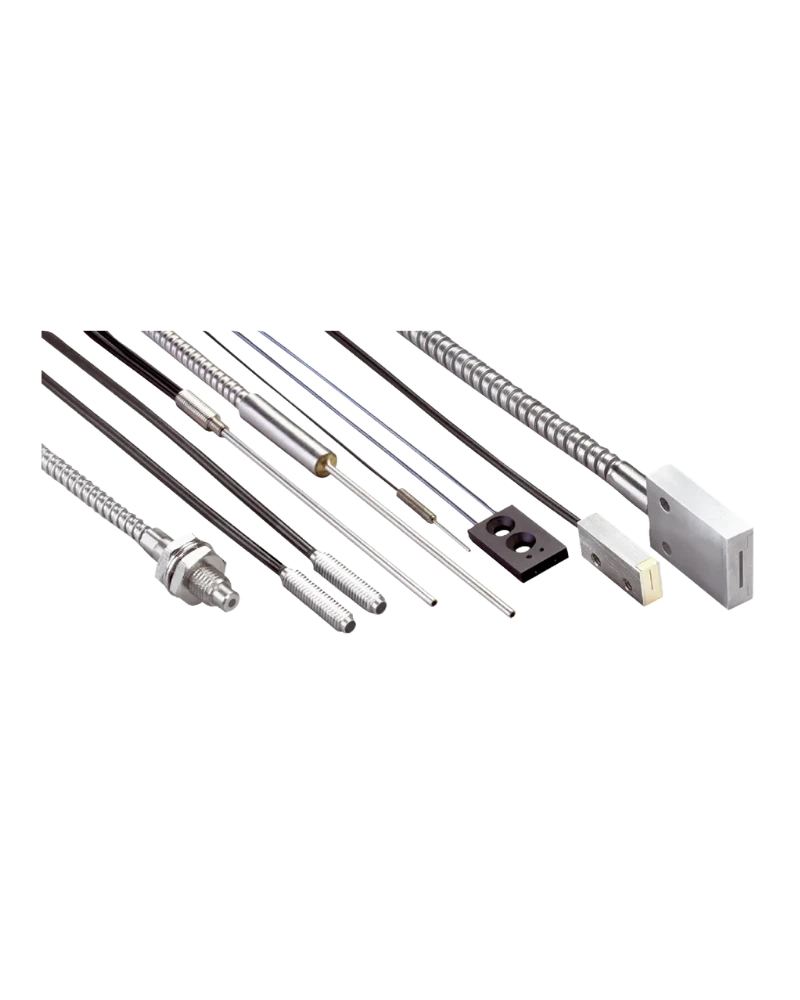
The WLL180 fiber-optic sensor is a high-performance optical sensing solution designed for demanding industrial environments. It delivers exceptional reliability and precision through advanced fiber-optic technology, offering outstanding sensing range and operating reserve due to its high light intensity and resolution. With an ultra-fast response time of 16 μs, the WLL180 ensures real-time detection capabilities essential in dynamic production processes. This sensor is engineered to support continuous operation under challenging conditions, making it ideal for applications requiring both speed and accuracy. Its performance aligns with modern industrial demands, particularly in high-throughput environments such as battery cell manufacturing where process efficiency is critical. The WLL180 supports full-speed operations in electromobility production lines, enabling increased throughput during battery cell folding processes.
The WLL180 leverages fiber-optic technology to provide robust, interference-free sensing with minimal environmental influence. Its high light intensity ensures strong signal transmission over long distances, while its superior resolution enables precise detection even in complex environments. The sensor’s ultra-fast response time of 16 μs allows for immediate reaction to changes in position or presence, making it suitable for high-speed automation tasks. This technology provides consistent performance regardless of electromagnetic interference or temperature fluctuations. The WLL180 is specifically designed to maintain maximum sensing range and operating reserve simultaneously, ensuring reliable operation under varying conditions. Its ability to operate at full speed supports increased productivity in electromobility applications such as battery cell folding, where precision timing and detection are essential.
The WLL180 fiber-optic sensor features a response time of 16 μs, ensuring rapid signal processing for real-time control. It offers maximum sensing range and operating reserve due to its high light intensity and resolution, which are critical for maintaining performance in demanding industrial settings. These characteristics allow the sensor to detect changes with high sensitivity while remaining stable under operational stress. The sensor is optimized for consistent performance across a wide range of conditions, ensuring dependable operation without degradation over time. All technical values are derived from SICK’s official specifications and reflect the product's proven capabilities in real-world applications.
The WLL180 is designed for seamless integration into existing automation systems. It supports standard interface options that allow easy connection to PLCs, HMIs, or control systems via available signal outputs. The sensor’s modular design enables flexible deployment in various configurations, including fixed and scanning setups. Its compatibility with common industrial protocols ensures straightforward setup and commissioning. Integration is supported by SICK's comprehensive documentation and application guidance, enabling engineers to implement the sensor efficiently without extensive customization. For further implementation support, customers are directed to SICK’s Sensor Blog for detailed success stories and configuration examples.
The WLL180 is built to operate reliably in harsh industrial environments. It performs consistently across a range of temperatures, humidity levels, and electromagnetic interference conditions typical in manufacturing settings. The sensor's fiber-optic design provides inherent immunity to electrical noise and EMI, ensuring stable operation even in high-vibration or high-noise areas. While specific environmental ratings are not provided in the official source data, its performance is validated for use in demanding production environments such as battery cell folding lines. This makes it a dependable choice for continuous operation in electromobility manufacturing where reliability and consistency are paramount.
The WLL180 fiber-optic sensor is primarily used in high-speed industrial processes requiring precise, real-time detection. A key application is in battery cell folding operations within the electromobility sector, where it helps increase throughput by enabling faster and more accurate detection of component positioning. The sensor’s fast response time and high resolution support efficient automation cycles. Additionally, its robust performance in challenging environments makes it suitable for use in other industrial processes involving motion control or presence detection. For further insights into successful implementations, customers are encouraged to explore the SICK Sensor Blog, which features real-world success stories demonstrating the WLL180’s effectiveness in practical settings.”}
| Specification | Value |
|---|---|
| response time | of 16 μs. At the same time, the sensor offers maximum values for |
| sensing range | and operating reserve due to its high light intensity and |
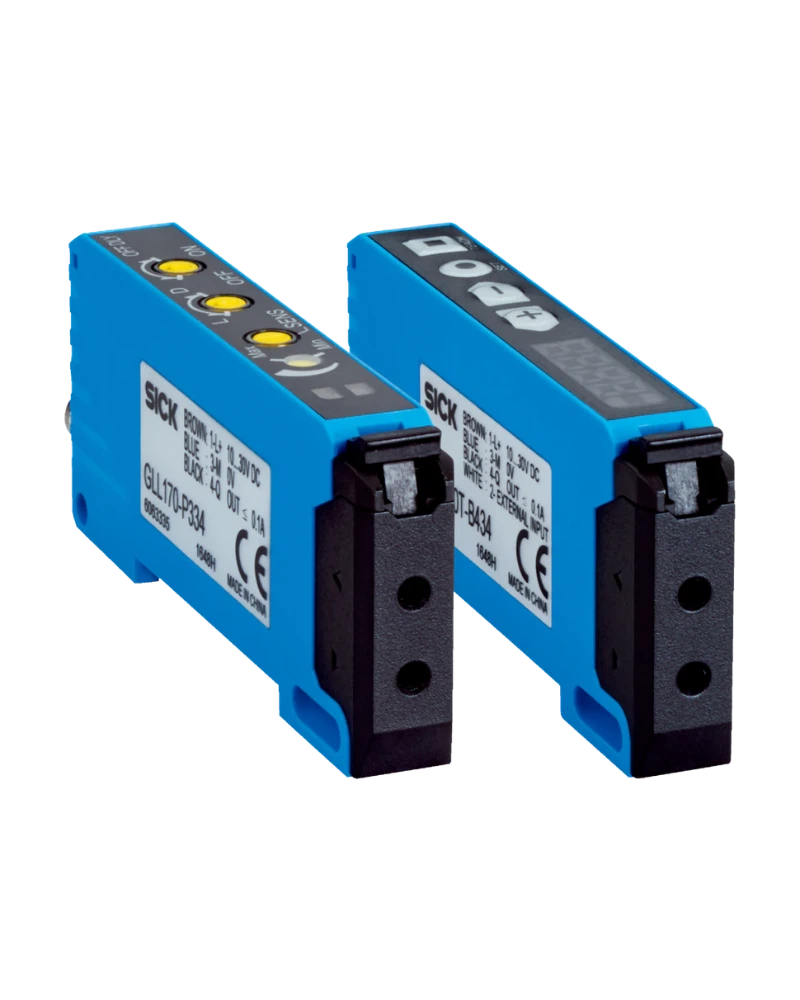
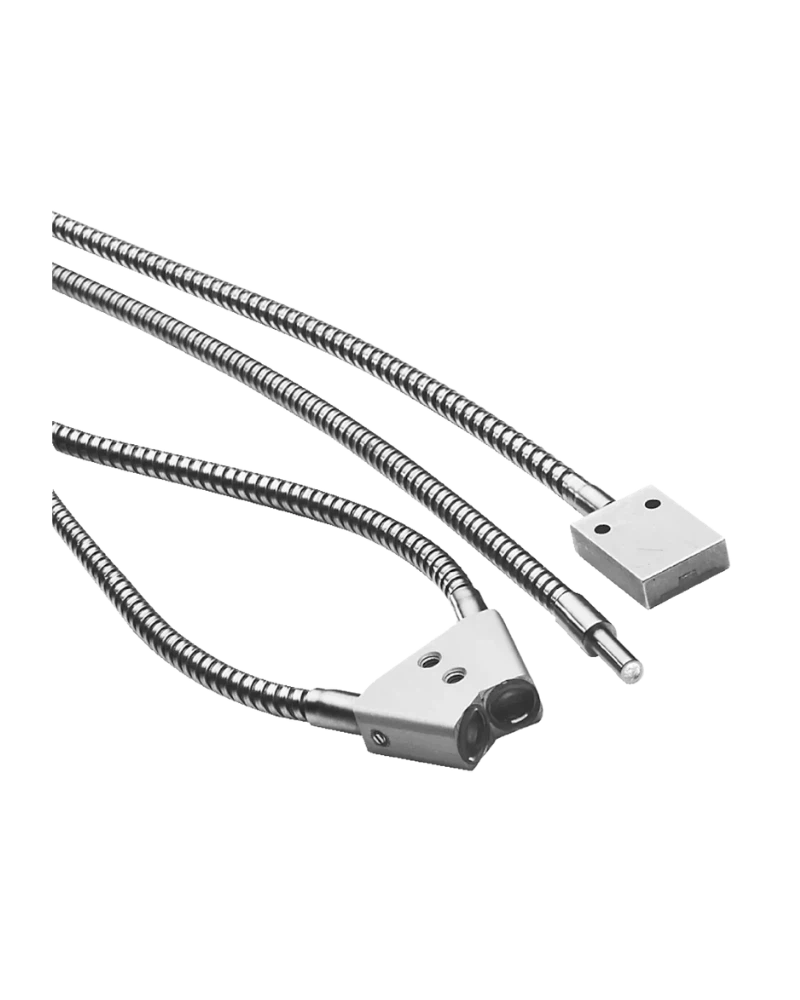
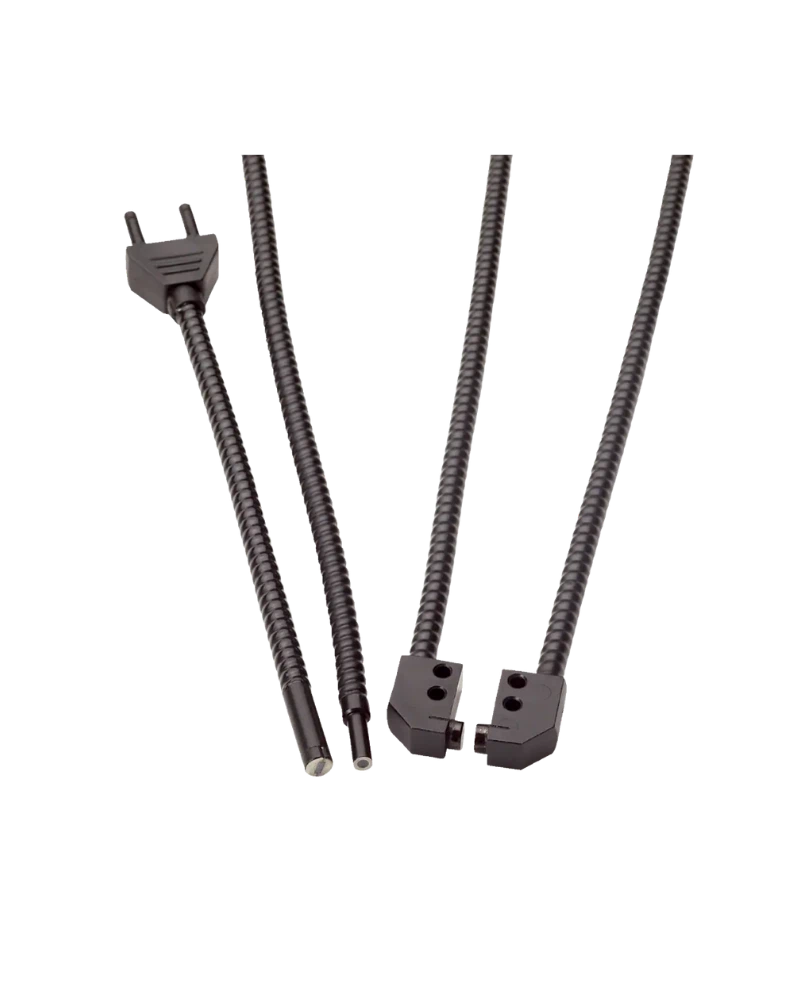
Browse product families and jump into the exact catalog section you need.