
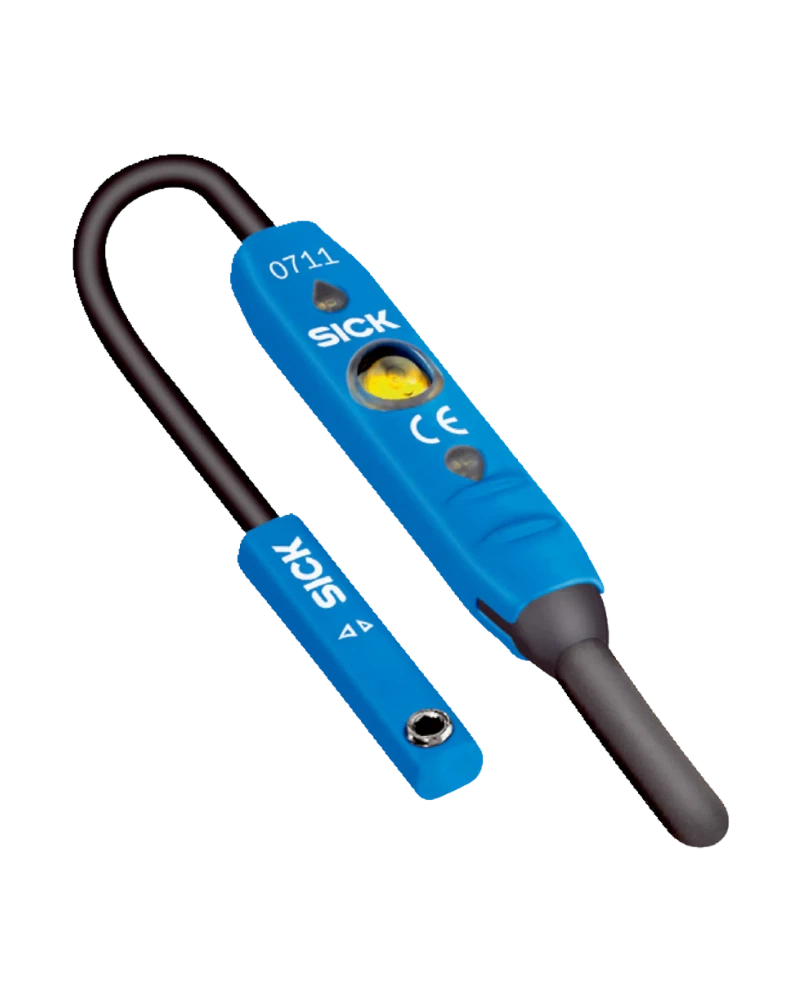
Explore performance details, construction highlights, applications, and technical information in one clear overview.
The MZ2Q-C Cylinder Sensor from SICK is a compact, reliable solution designed to detect two end positions or intermediate positions on pneumatic cylinders, grippers, or carriages. Unlike traditional systems that require multiple sensors, the MZ2Q-C achieves dual-position detection using just one sensor housing. This innovative design simplifies system architecture by eliminating the need for additional components, reducing both installation and maintenance complexity. With its ability to identify two distinct switching points in a single unit, the MZ2Q-C offers a cost-effective and space-saving alternative for automation applications where precise position feedback is essential. Its straightforward integration makes it ideal for industrial environments requiring reliable end-of-stroke or intermediate position detection without compromising performance or system efficiency.
The MZ2Q-C cylinder sensor features two individually adjustable switching points within a single housing, enabling precise detection of both end positions or intermediate stages. This dual-switching capability is achieved through advanced internal design that allows independent calibration of each point without requiring additional hardware. The technology ensures accurate position feedback on pneumatic cylinders, grippers, or moving carriages by detecting changes in proximity at two defined thresholds. By integrating both switching functions into one sensor, the MZ2Q-C significantly reduces mounting and cabling requirements compared to conventional solutions. This results in faster installation times, lower material costs, and reduced system complexity—making it a more efficient choice for automation engineers and technicians.
The MZ2Q-C cylinder sensor is engineered with two individually adjustable switching points within one housing, enabling detection of two distinct positions. These switching points can be set to detect end-of-stroke or intermediate positions depending on application needs. The sensor operates using a single mounting slot, which simplifies integration and reduces physical footprint. It is designed for use in environments where precise position feedback is required without the need for multiple sensors. This design ensures consistent performance across various mechanical systems including pneumatic cylinders, grippers, and linear carriages. The technology supports reliable switching action with minimal signal delay, ensuring accurate control of automated processes.
The MZ2Q-C cylinder sensor is configured through simple adjustment of its two individually adjustable switching points within the housing. No additional components or wiring are required to achieve dual-position detection, reducing cabling overheads by half compared to conventional systems. Installation involves mounting the sensor in a single slot on the target component—such as a pneumatic cylinder, gripper, or carriage—and setting the desired switching thresholds using the provided calibration tools. The integration process is straightforward and does not require complex wiring or additional control logic. This makes it ideal for retrofitting existing systems or implementing new automation solutions quickly and efficiently.
The MZ2Q-C cylinder sensor is designed to operate reliably in standard industrial environments. It is suitable for use in applications involving pneumatic cylinders, grippers, or carriages exposed to typical mechanical vibrations and temperature fluctuations. While specific environmental ratings are not provided in the source material, its design emphasizes robustness and durability under normal operating conditions. The sensor performs effectively within common industrial settings where position detection is required without interference from dust, moisture, or ambient noise. Its compact form factor and single-sensor architecture contribute to long-term reliability when used in standard automation processes.
The MZ2Q-C cylinder sensor is ideal for use in automated systems where detection of two positions—such as start and end of stroke or intermediate stages—is required. It is commonly applied in robotic arms, material handling systems, and assembly lines involving pneumatic grippers or linear actuators. By detecting both end positions or intermediate points with one sensor, it reduces system complexity and cost while improving response accuracy. Applications include packaging, sorting, and automated guided vehicle (AGV) systems where precise position feedback is critical. The sensor’s ease of integration and reliable performance make it a practical choice for manufacturers seeking efficient, scalable automation solutions without increasing component count or installation effort.
| Specification | Value |
|---|---|
| switching point | s |
| width | 100%; |
| height | var(--mat-progress-bar-track-height, 4px); |
| border-top-width | var(--mat-progress-bar-active-indicator-height, 4px); |
| background-image | radial-gradient(circle, var(--mat-progress-bar-track-color, var(--mat-sys-surface-variant)) calc(var(--mat-progress-bar-track-height, 4px) / 2), transparent 0); |
| background-size | calc(calc(var(--mat-progress-bar-track-height, 4px) / 2) * 5); |
| animation | mdc-linear-progress-secondary-indeterminate-scale calc(2s * var(--mat-progress-bar-animation-multiplier)) infinite linear; |
| transform | rotate(180deg) translateX(calc(var(--mat-progress-bar-track-height, 4px) * -2.5)); |
| Maximum flexibility thanks to a detection zone up to | 50 mm |
| Detection range up to | 50 mm stroke |
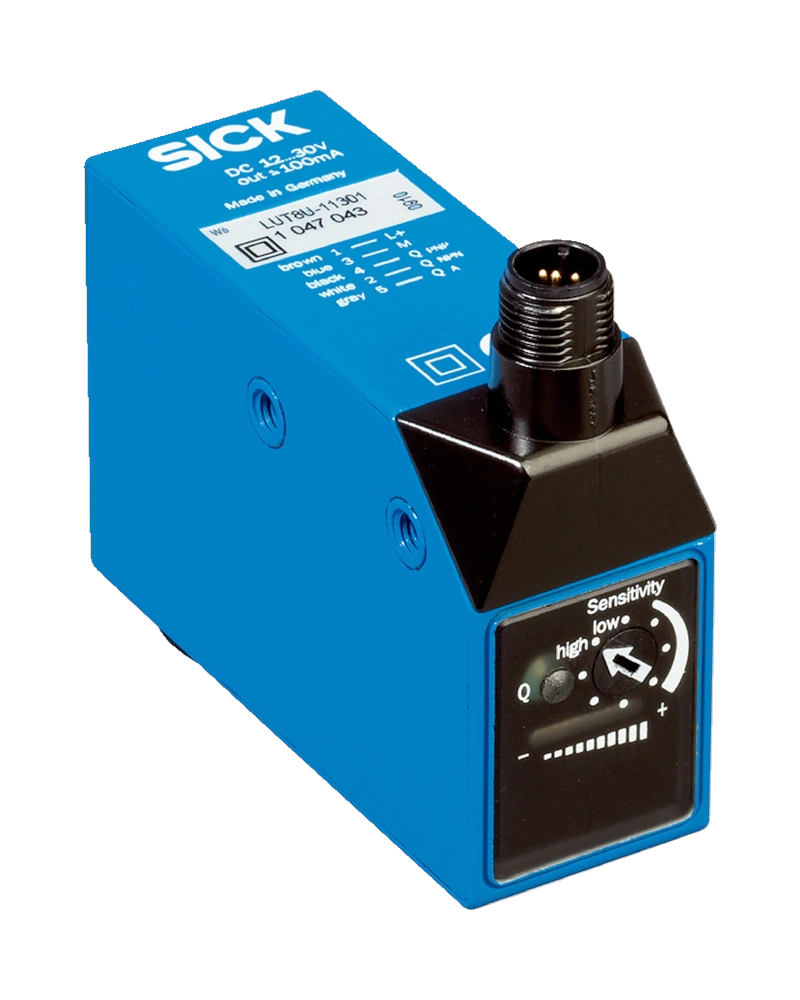
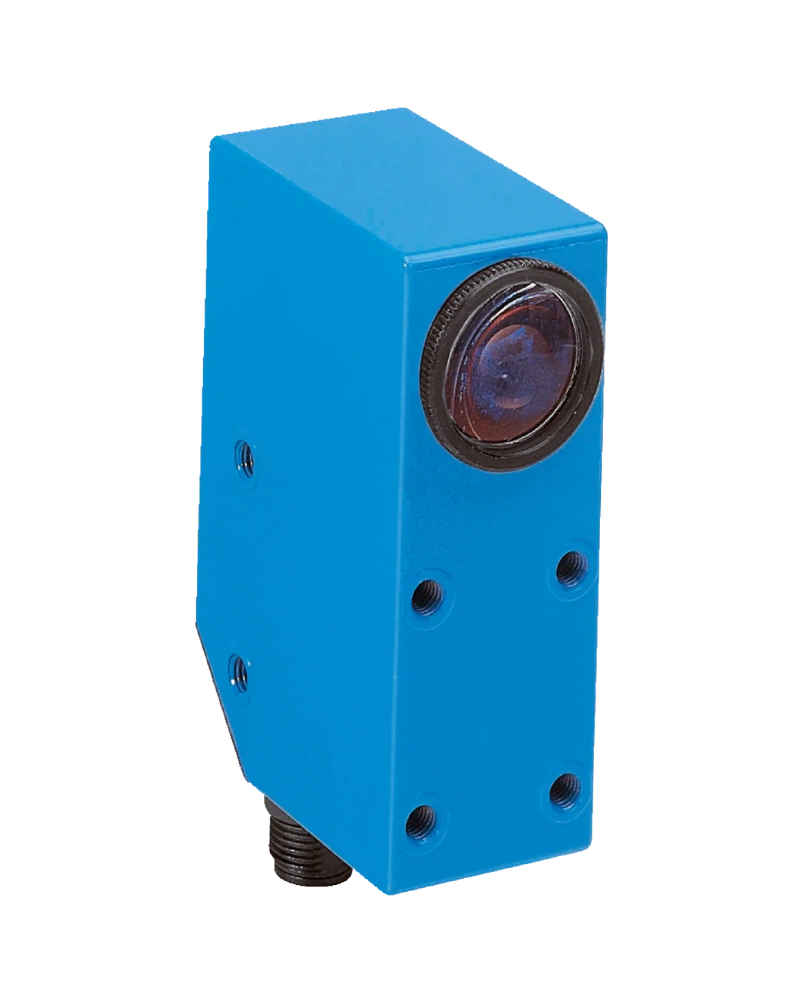
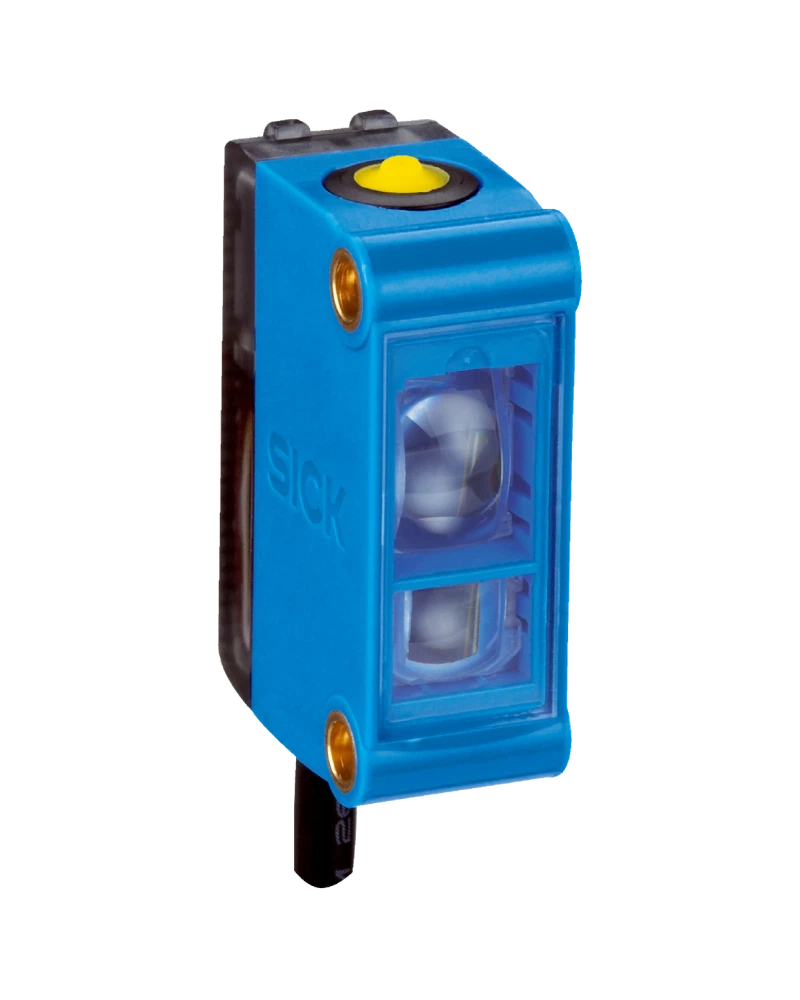

Browse product families and jump into the exact catalog section you need.