
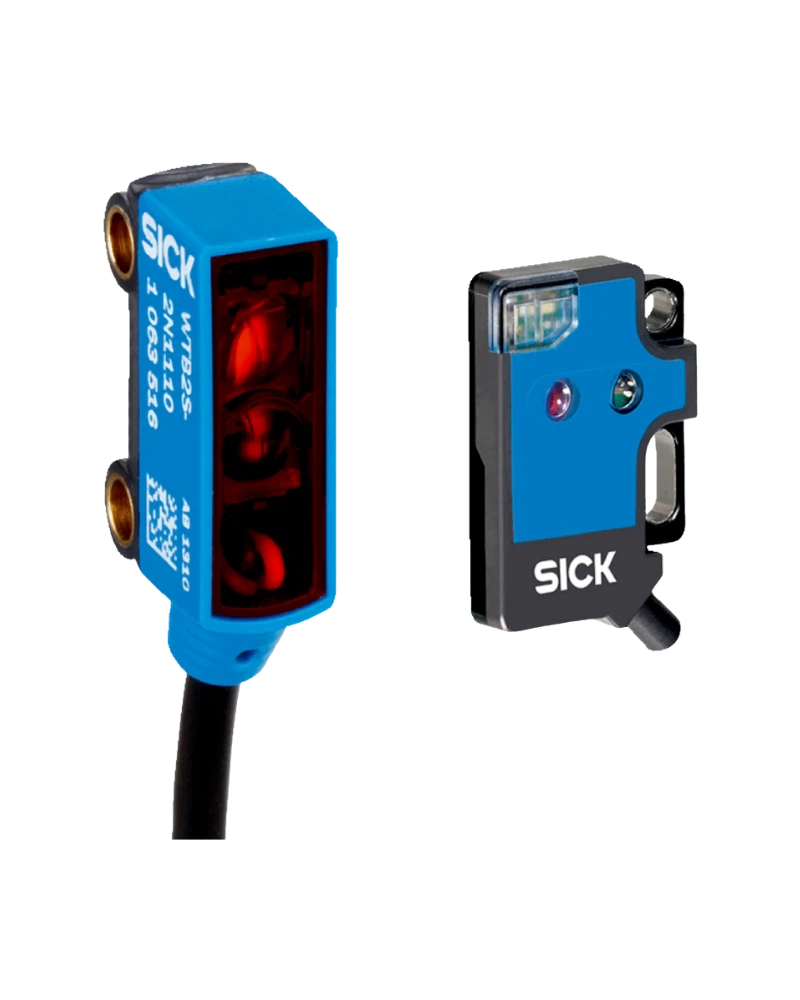
Explore performance details, construction highlights, applications, and technical information in one clear overview.
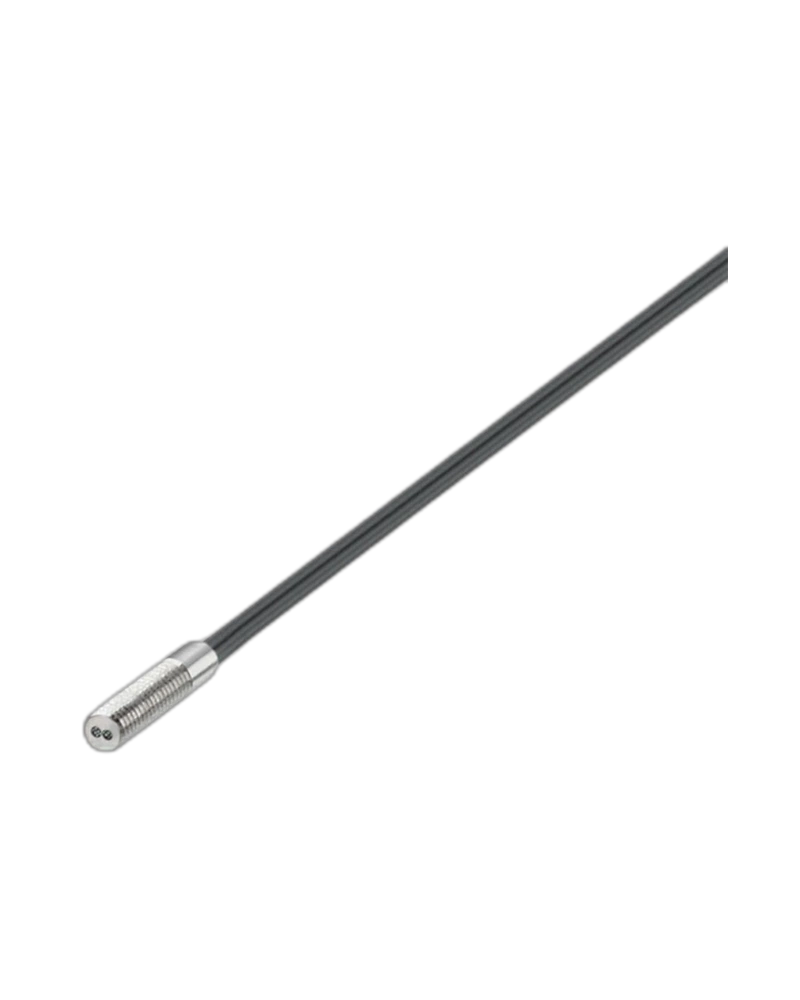
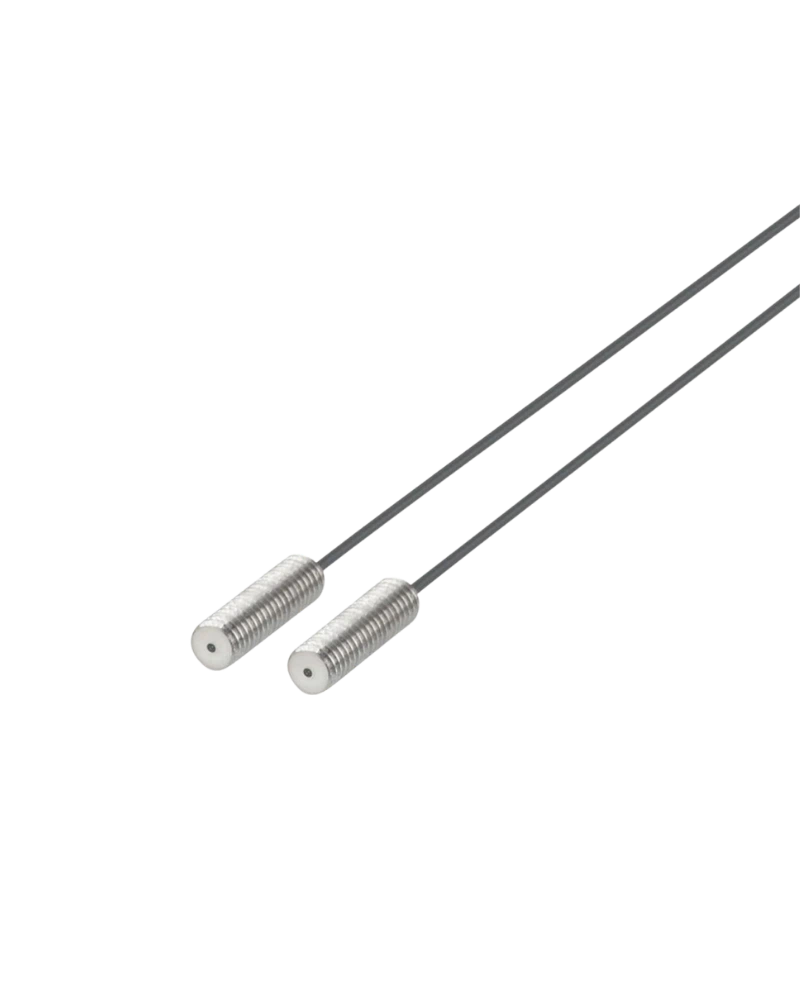
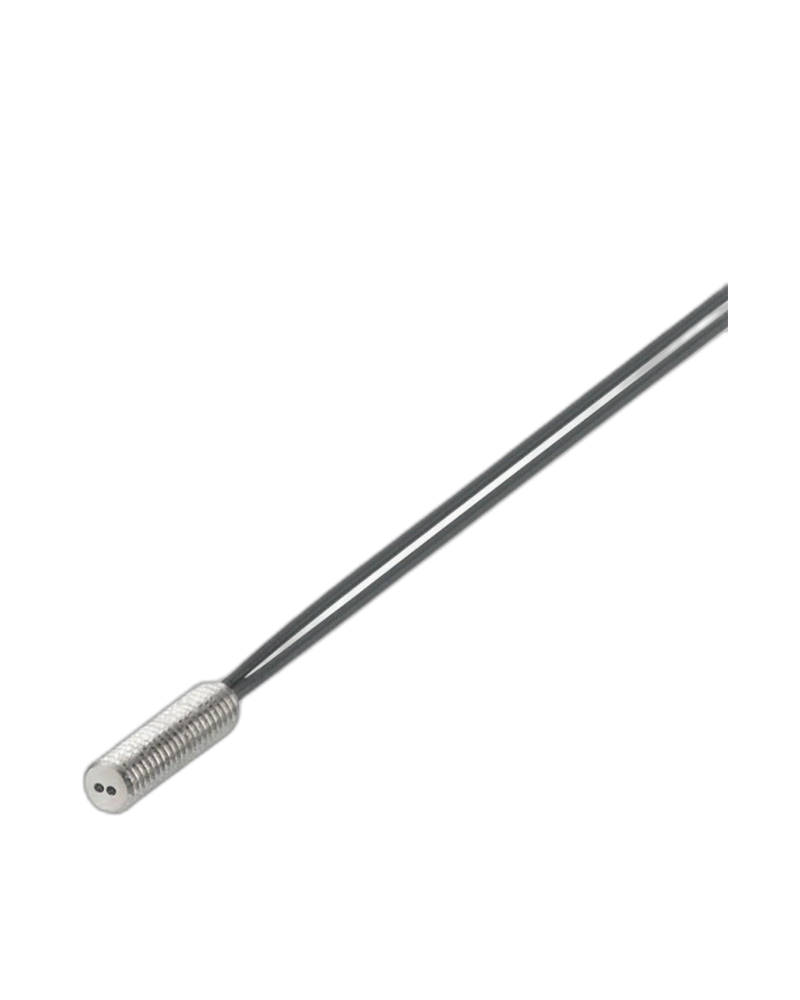
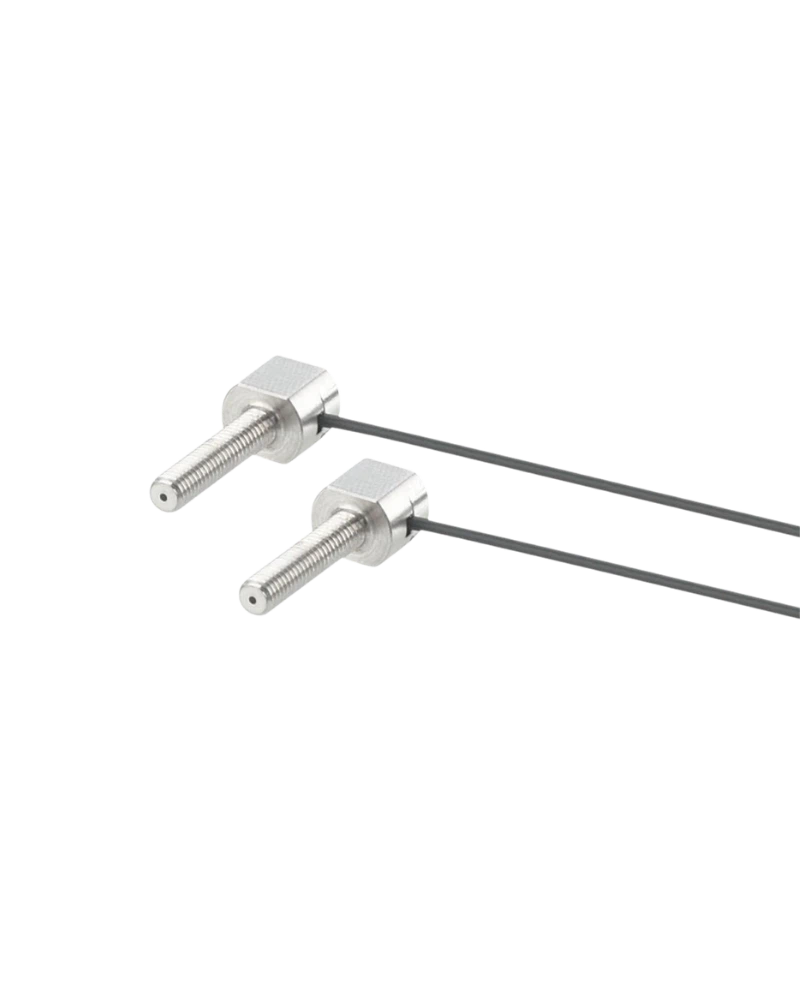
Photoelectric sensors - W2 is part of SICK's industrial photoelectric sensors portfolio. The W2 family is designed for professional machine, production and process environments where dependable sensing, safety monitoring, measurement or motion feedback is required. This product entry is written as customer-facing ecommerce content and keeps the technical identity tied to the SICK family documentation rather than introducing unsupported specifications.
The core function of the W2 family is to provide a defined, repeatable signal to the automation system. The published source describes the product around its operating principle and configuration structure, while the technical table below records the values that can be stated directly from the SICK documentation. Where a parameter is configuration-dependent, that dependency is retained rather than replaced with an assumed single value.
The documented application strengths of this family include “Compact W2 photoelectric platform” “Coaxial/autocollimation optics on selected retro-reflective variants” “PinPoint LED for precise optical sensing” “Up to 1.2 m retro-reflective range on documented variants”. These characteristics make the range relevant where repeatable machine signals, controlled sensing, dependable safeguarding, process measurement or motion feedback are required.
The SICK documentation publishes Sensing range, retro-reflective: Up to 1.2 m on documented variant; Sensing range, through-beam: Up to 2.5 m on documented variant; Connection: M8 / cable depending on type. These values define the engineering envelope described by the source material and should be read together with the selected ordering code where the family contains multiple configurations.
The published SICK configuration defines the electrical and communication architecture for W2. Depending on the documented type, this can include the stated supply, switching outputs, analog signals, safety outputs, industrial communications, connectors or other interfaces. The specification table keeps those source values explicit so they can be checked during engineering and purchasing.
The family is intended for industrial installation, with the source documentation defining its housing, enclosure, temperature, mechanical and connection characteristics where these are published. No additional material or environmental ratings have been added where SICK does not publish them for the family row.
For system integration, selection should follow the required sensing or safety range, output behaviour, connection, mounting arrangement and environmental conditions. The SICK documentation is structured around ordering variants, so the exact part number should be checked before purchase or installation. This is particularly important where the family offers multiple electrical interfaces, optical arrangements, resolutions, safety functions or housing options.
Commissioning should use the SICK installation and configuration documentation for the selected ordering code. Confirm mechanical clearances, electrical compatibility, required accessories, safety architecture and application-specific parameters before putting the device into service. For safety-related products, the final system design must follow the applicable SICK documentation and the relevant safety standards for the complete machine.
The published SICK application scope for this family includes Compact machine sensing, Conveyors, Packaging. The appropriate use depends on the actual machine architecture, target object or medium, required operating range and selected variant. The family is particularly suited to engineering-led procurement where exact product configuration matters.
Use the official SICK ordering configuration to select the exact version required for the installation. The technical table below is the source-backed selection reference for this ecommerce listing; it deliberately avoids filling unsupported values with estimates or generic industry assumptions.
| Technical parameter | Published SICK value |
|---|---|
| Functional principles | Retro-reflective with minimum reflector distance; retro-reflective without reflector minimum distance; through-beam |
| Light source | PinPoint LED / LED |
| Light | Visible red; infrared depending on type |
| Sensing range, retro-reflective | Up to 1.2 m on documented variant |
| Sensing range, through-beam | Up to 2.5 m on documented variant |
| Output options | NPN / PNP / IO-Link depending on type |
| Connection | M8 / cable depending on type |
| Switching mode | Light / dark depending on type |
Values above are taken from the official SICK source listed in the Source_Map sheet. Where the SICK family contains multiple ordering variants, the published range or dependency is retained exactly rather than generalized.
Browse product families and jump into the exact catalog section you need.