
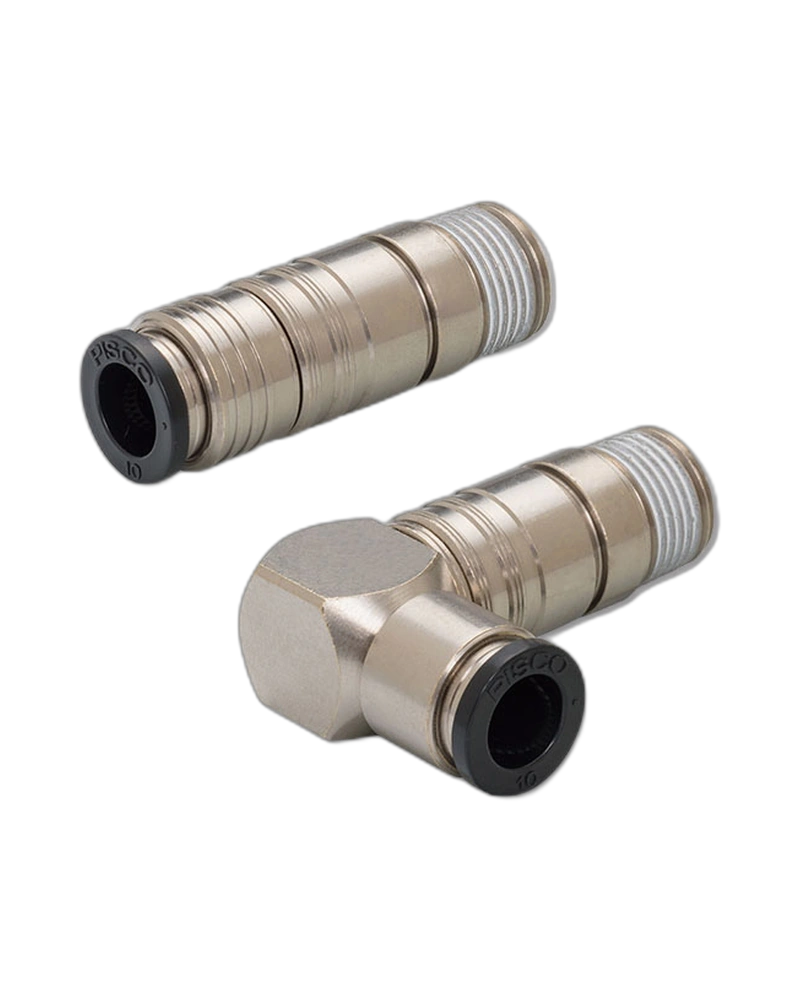
Explore performance details, construction highlights, applications, and technical information in one clear overview.
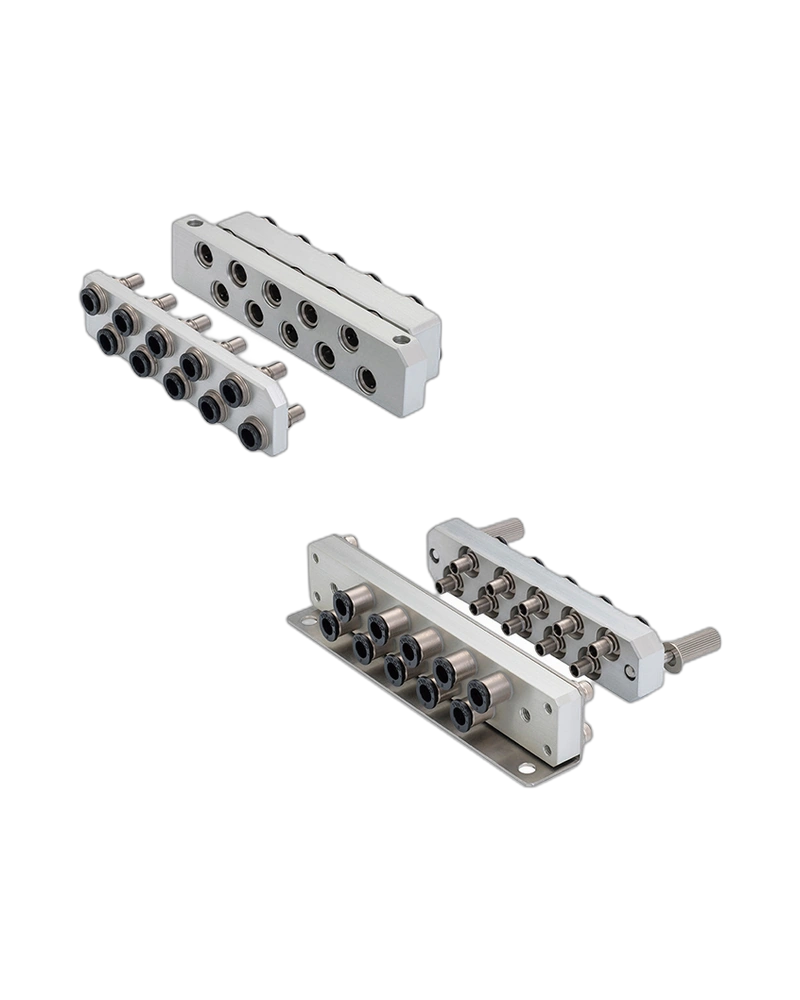
The Die Temperature Control Fitting is a separable push-in coupling designed specifically for mold die temperature control systems. It enables secure and reliable connection between the die and temperature control tubing, ensuring consistent thermal management during operation. The fitting’s modular design allows easy installation and removal, reducing downtime during mold changeover while protecting sensitive components from damage.
The main structural components are constructed from brass with electroless nickel plating, providing excellent corrosion resistance and durability under operational conditions. The seal rubber is made from HNBR (Hydrogenated Nitrile Butadiene Rubber), a material enhanced for improved ozone resistance through hydrogenation of NBR. This makes it suitable for environments with low-concentration ozone exposure.
The fitting features a separable design where the plug and socket can be independently connected or disconnected. The plug has a taper pipe female thread (Rc1/8, Rc1/4, Rc3/8), while the socket has a corresponding taper pipe male thread (R1/8, R1/4, R3/8, R1/2). This configuration allows for precise alignment and secure mating in various die applications.
The fitting is rated for operation with clean water, air, or heat medium oil under specific conditions. It can operate at a maximum pressure of 0.9MPa and a maximum vacuum of -100kPa. The operating temperature range varies depending on the application: up to 60℃ (no freezing), 99℃ (no freezing), or 120℃ (no freezing), ensuring compatibility with different thermal control requirements.
Available in multiple tube outer diameters (φ4, φ6, φ8, φ10, φ12) and internal diameters (1/4", 3/8"), the fitting supports a range of tubing sizes. Thread options include Rc1/8, Rc1/4, Rc3/8 for the plug and R1/8, R1/4, R3/8, R1/2 for the socket, allowing compatibility with various die systems and temperature control setups.
Installation is straightforward: simply push the plug into the socket to connect. To remove, press the release sleeve to disengage the parts. The design ensures that the tube port remains protected during mold changeover, as the socket can be embedded directly in the mold structure, preventing damage to the connection point.
| Specification | Details |
|---|---|
| Fluid medium | Air | Water (Clean water, Conditional*) | Heat medium oil (Conditional*) |
| Max. operating pressure | 0.9MPa |
| Max. vacuum | -100kPa |
| Operating temp. range | 0 to 60℃
Recommended products
Related Products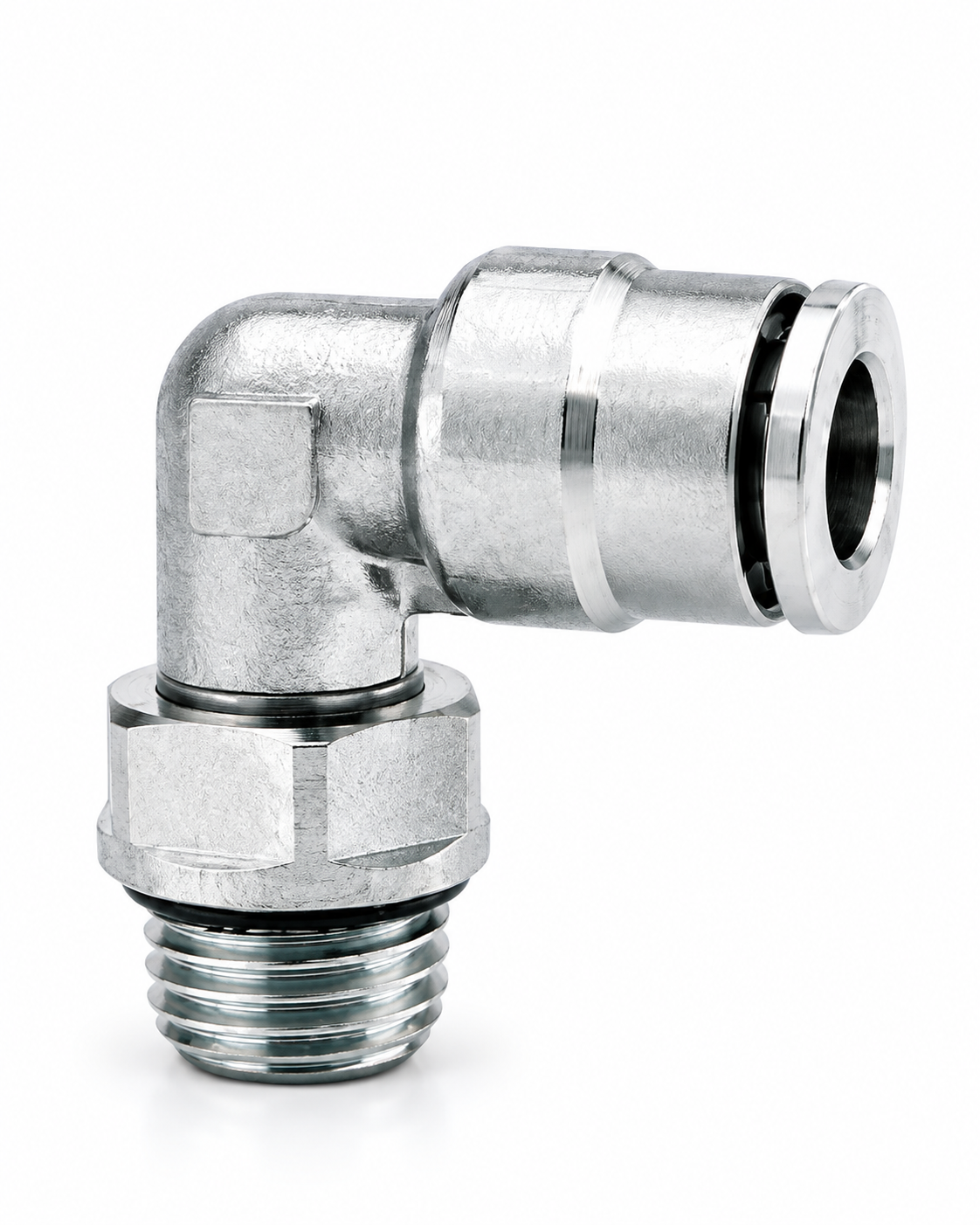
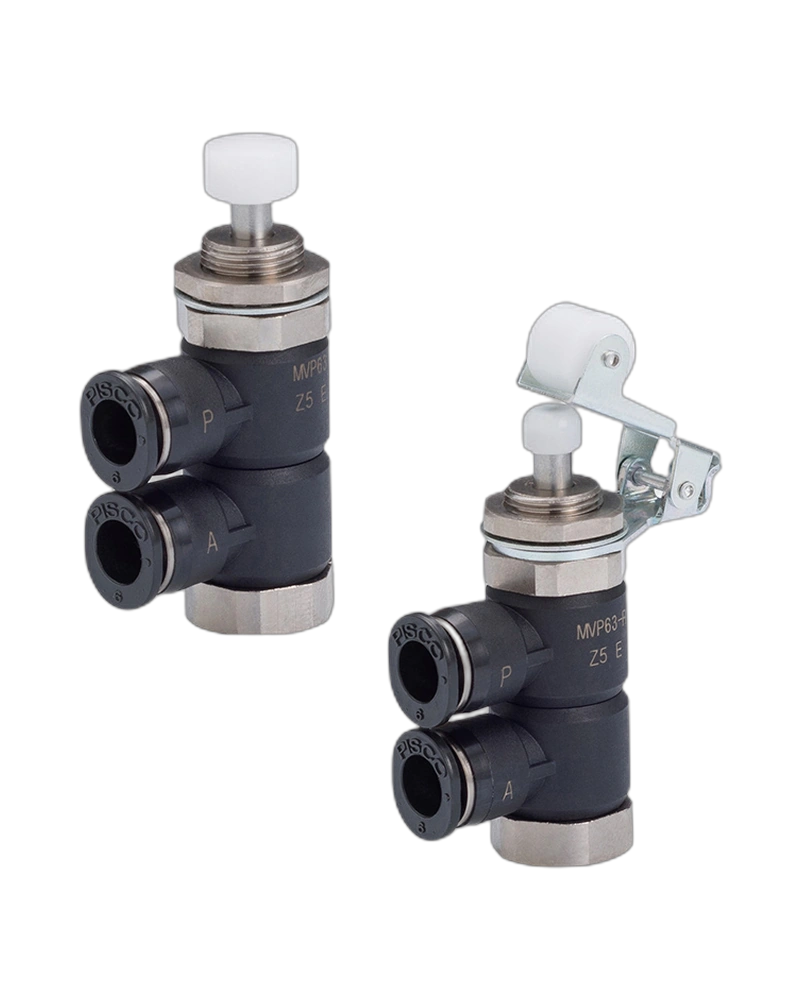
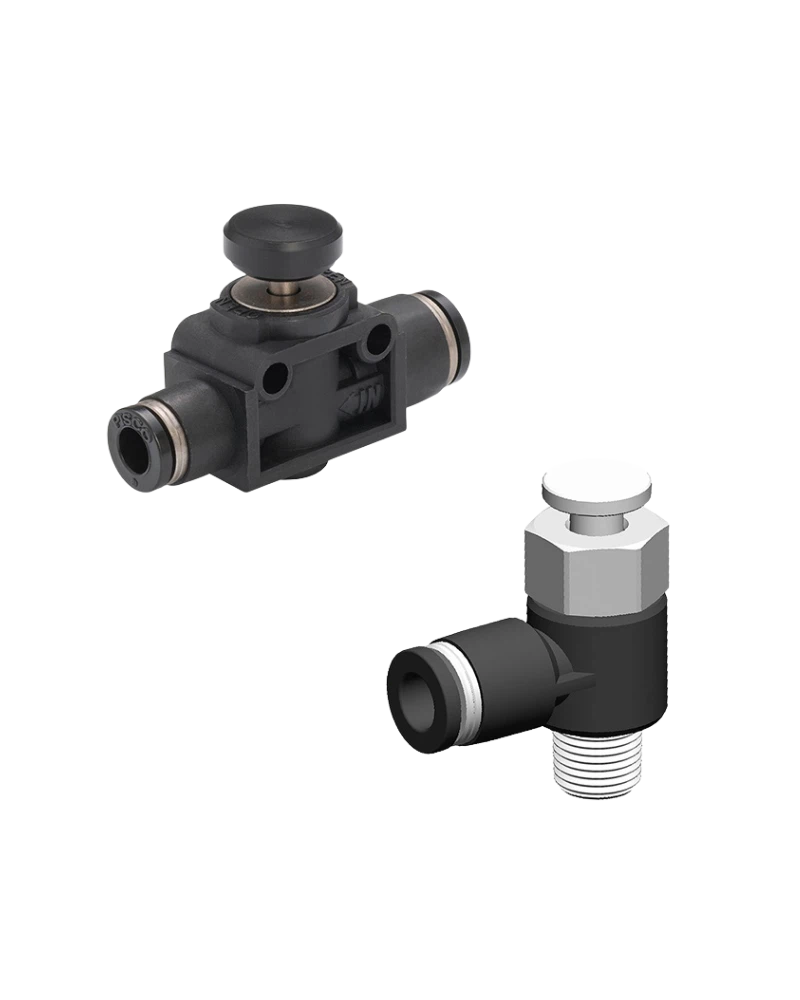
CategoryBrowse product families and jump into the exact catalog section you need. |