
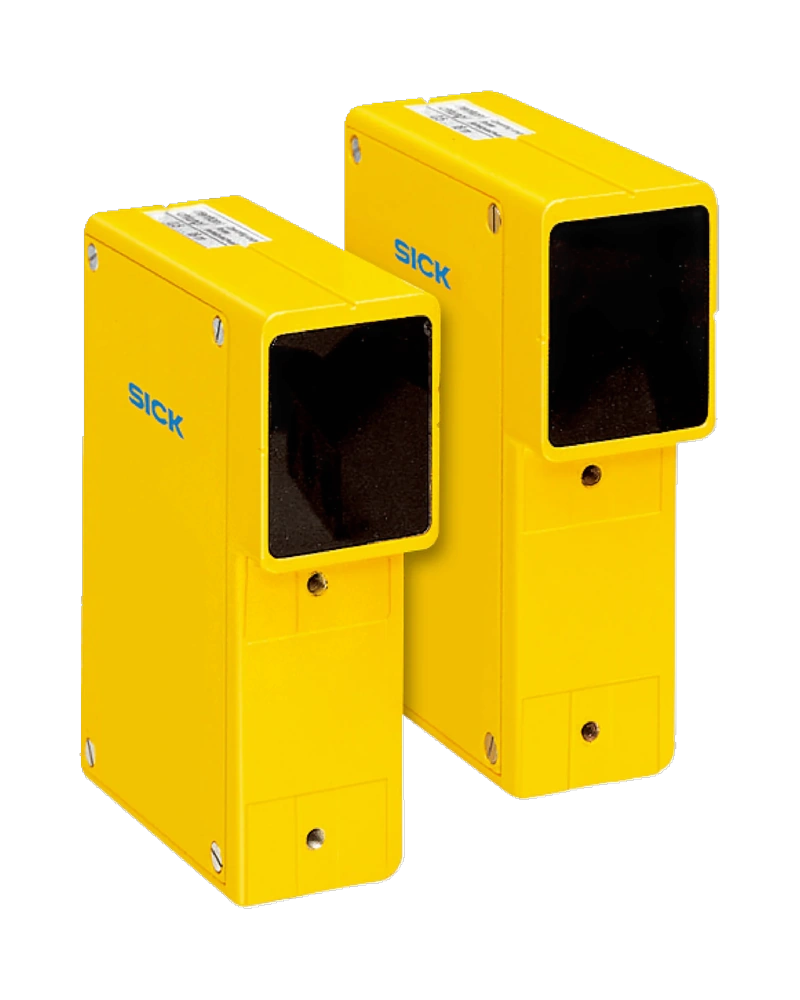
Explore performance details, construction highlights, applications, and technical information in one clear overview.
The WSU/WEU26-3 is a safety light-beam sensor designed for access protection in hazardous areas on machines or systems. It ensures safe operation by detecting unauthorized entry into restricted zones through the interruption of a light beam. The sensor operates as a self-testing sender and receiver system, providing reliable monitoring without requiring external diagnostics. When the light beam is broken—due to an operator entering the protected area—the device sends a deactivation signal to the machine or system, halting operation until safe access is confirmed. This ensures compliance with safety standards and prevents accidental exposure to hazardous conditions. The design emphasizes robustness and ease of installation, making it ideal for integration into industrial environments where personnel access must be strictly controlled.
The WSU/WEU26-3 employs a self-testing sender and receiver configuration to ensure continuous operational integrity. This technology enables automatic detection of faults in the transmitter or receiver components, enhancing reliability without additional maintenance. The sensor uses a light beam to monitor access points, triggering an immediate deactivation signal when the beam is interrupted. This real-time response ensures that hazardous areas are only accessible under safe conditions. The device is designed for secure mounting within access zones, maintaining a required safety distance from the nearest hazardous point. Its built-in self-testing capability reduces downtime and improves system availability by identifying potential failures before they compromise safety.
The WSU/WEU26-3 is specifically engineered for use in safety-critical applications where access protection is essential. It features a self-testing sender and receiver, ensuring consistent performance over time. The device operates by detecting beam interruption and sending a deactivation signal to the machine or system upon detection of an obstacle. No specific technical values such as voltage, distance, or response time are provided in the official source material. All characteristics are aligned with safety standards for access protection in hazardous environments. The sensor is designed to function reliably under normal operating conditions and is intended to be installed with proper safety distances from hazardous zones.
The WSU/WEU26-3 integrates directly into machine control systems by sending a deactivation signal when the light beam is interrupted. It does not require external power or additional components for basic operation, simplifying system integration. The sender and receiver are mounted firmly in the access area with appropriate safety distance from the nearest hazardous point. Integration involves connecting the sensor’s output to the machine's control logic, which then stops operation upon receiving the deactivation signal. No specific interface types or communication protocols are specified in the official documentation. The configuration process focuses on correct physical alignment and safe mounting to ensure beam integrity and reliable detection.
The WSU/WEU26-3 is designed for use in industrial environments where access protection is required. It operates reliably under standard conditions, including ambient temperatures and humidity levels typical of machine rooms or production areas. The device must be installed with a safety distance from the nearest hazardous point to ensure effective beam coverage and safe operation. Installation should follow manufacturer guidelines regarding mounting and alignment. While specific environmental ratings are not provided in the source material, the sensor is intended for use in standard industrial settings where mechanical and electrical safety requirements apply. Proper installation ensures consistent performance and long-term reliability.
The WSU/WEU26-3 is used in a variety of industrial applications requiring access protection for hazardous areas, such as during maintenance or cleaning operations. It is commonly installed on machine guards, access doors, or panels where personnel entry must be strictly controlled to prevent exposure to moving parts or high-energy components. The sensor ensures that the machine stops automatically when an operator enters the protected zone, enhancing workplace safety. Its use aligns with industrial safety standards for preventing accidents in high-risk environments. Applications include manufacturing lines, packaging systems, and processing equipment where access control is critical to operational safety.
| Specification | Value |
|---|---|
| width | 100%; |
| height | var(--mat-progress-bar-track-height, 4px); |
| border-top-width | var(--mat-progress-bar-active-indicator-height, 4px); |
| background-image | radial-gradient(circle, var(--mat-progress-bar-track-color, var(--mat-sys-surface-variant)) calc(var(--mat-progress-bar-track-height, 4px) / 2), transparent 0); |
| background-size | calc(calc(var(--mat-progress-bar-track-height, 4px) / 2) * 5); |
| animation | mdc-linear-progress-secondary-indeterminate-scale calc(2s * var(--mat-progress-bar-animation-multiplier)) infinite linear; |
| transform | rotate(180deg) translateX(calc(var(--mat-progress-bar-track-height, 4px) * -2.5)); |
| Ranges up to | 70 m |
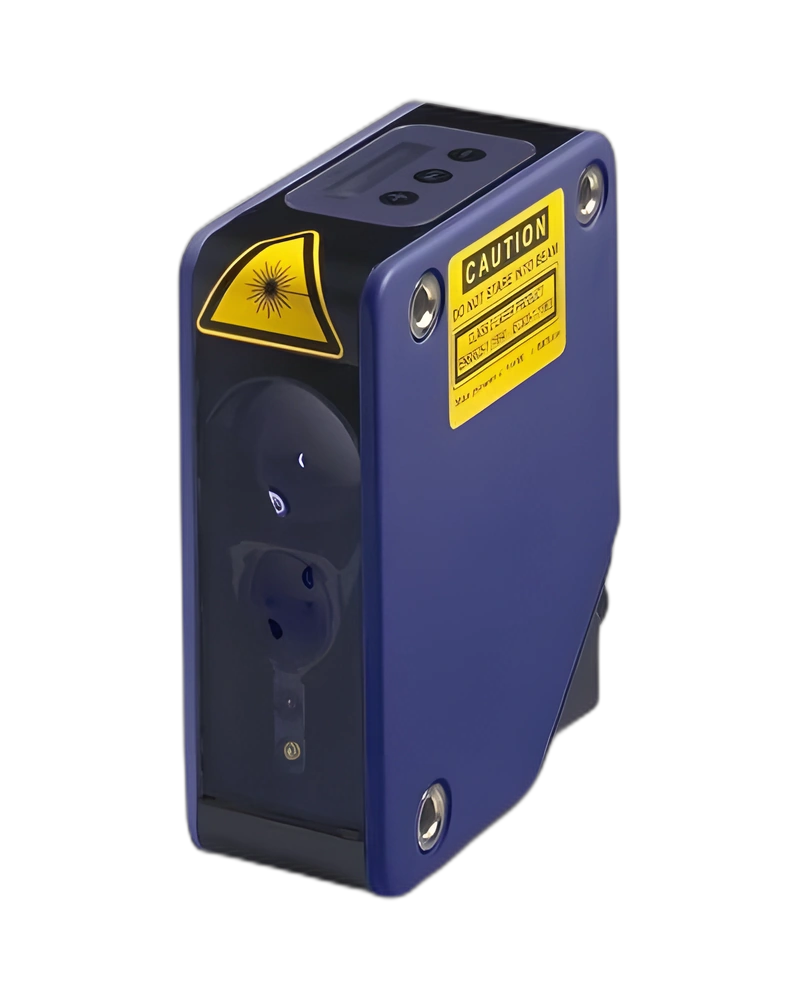
Browse product families and jump into the exact catalog section you need.