
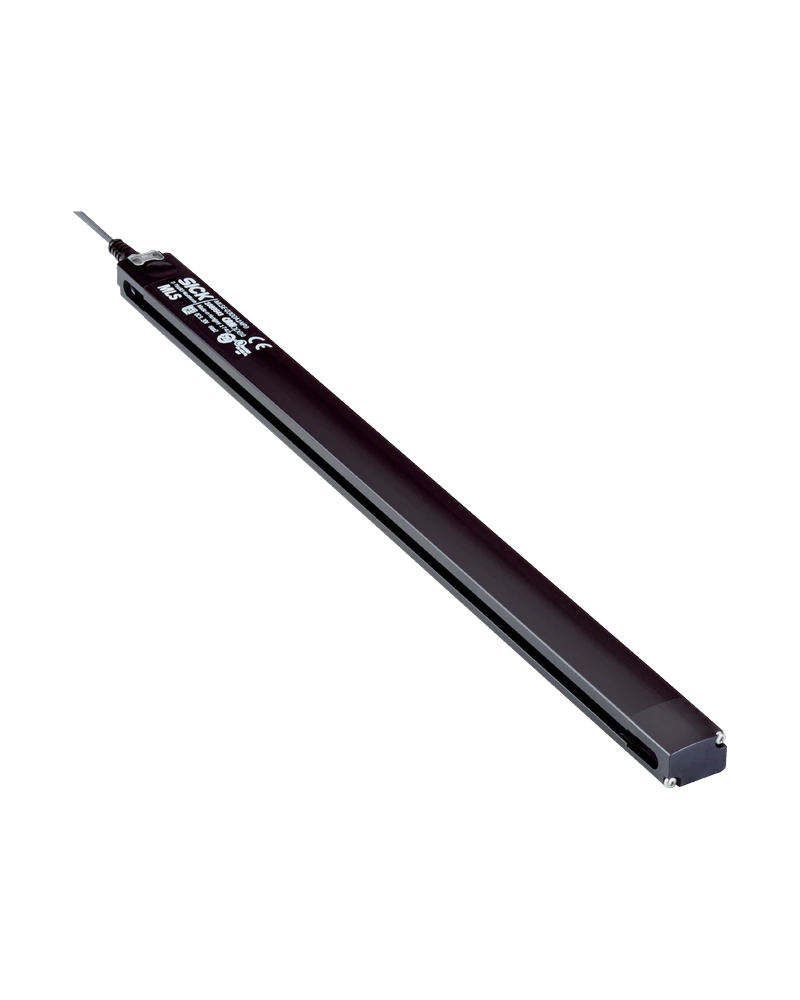
Explore performance details, construction highlights, applications, and technical information in one clear overview.
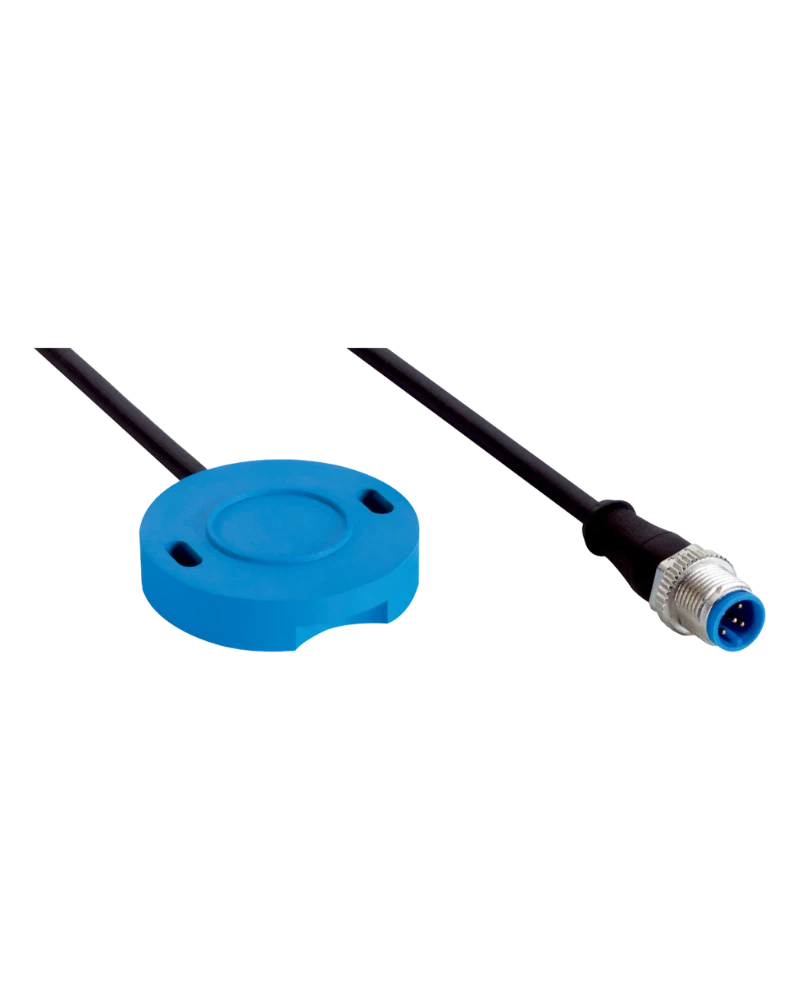
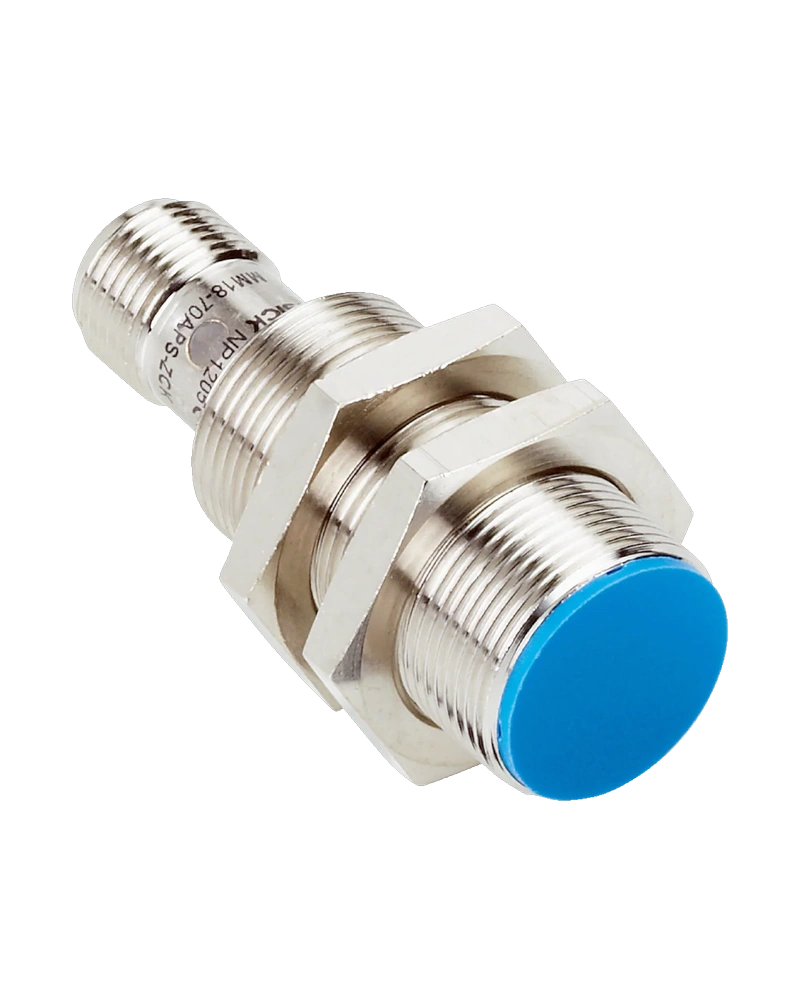
The SICK MLS magnetic sensors offer a flexible and reliable solution for detecting metallic objects using a non-contact approach. Based on the concept of concept sensors—engineering the future together—these sensors provide high performance with adaptable detection ranges. The detection range is highly dependent on the selection of the magnetic band and installation height, allowing users to tailor the sensor’s performance to specific application needs. With multiple variants available, the MLS series ensures compatibility across a wide array of industrial environments. This modular design enables precise positioning and optimal signal response while maintaining robustness in challenging conditions. The sensors are engineered for long-term reliability and ease of integration into existing automation systems.
The SICK MLS magnetic sensors leverage advanced magnetic field detection technology to identify the presence or absence of ferromagnetic materials. As concept sensors, they represent a forward-thinking approach to industrial sensing, combining simplicity with intelligent design. The technology operates by detecting changes in the magnetic field caused by nearby metallic objects. This non-contact method ensures minimal wear and maintenance while offering high sensitivity and response speed. The sensor’s performance is optimized through dynamic interaction between the magnetic band and installation height, enabling a wide range of detection distances without compromising accuracy. This flexibility makes the MLS series ideal for applications where precise positioning or variable detection ranges are required.
The SICK MLS magnetic sensors feature a detection range that varies based on the selected magnetic band and installation height, providing users with significant design freedom. The exact range is not fixed but instead depends on system-specific parameters such as distance and orientation. This adaptability allows for customization to match specific process requirements. No fixed detection values are provided in the official documentation, emphasizing the importance of proper setup during integration. The sensors are designed to deliver consistent performance across different operating conditions while maintaining high reliability through proven engineering principles.
The MLS magnetic sensors can be easily configured by selecting the appropriate magnetic band and setting the correct installation height, which directly influences detection range. This straightforward setup process ensures compatibility with a wide variety of industrial setups without requiring complex calibration. The modular design supports integration into existing control systems through standard interfaces, enabling seamless communication with PLCs or HMIs. Users are encouraged to align sensor placement with mechanical design constraints to achieve optimal performance. SICK’s concept sensors philosophy emphasizes user-centric design, making the MLS series accessible and intuitive for both engineers and technicians.
The SICK MLS magnetic sensors are designed to operate reliably in a range of industrial environments. While specific environmental ratings such as temperature or humidity limits are not provided in the official source material, their performance is validated under typical industrial conditions. The sensors are built for durability and resistance to mechanical stress, ensuring long-term functionality in demanding settings. Their non-contact operation reduces susceptibility to contamination and physical wear. Users should ensure proper installation height and magnetic band selection to maintain consistent detection performance across varying operational scenarios.
The SICK MLS magnetic sensors are well-suited for a variety of industrial applications involving the detection of metallic objects. Common use cases include position sensing, presence detection, and object counting in production lines. Their flexible detection range allows them to be used in both static and dynamic environments where precise object identification is required. Applications span across manufacturing, packaging, and material handling processes. The sensors’ adaptability makes them ideal for integration into automated systems that require reliable, maintenance-free sensing solutions. For further insights into successful implementations, explore other success stories in the SICK Sensor Blog.
| Specification | Value |
|---|---|
| interface | . |
| Resolution | 1 mm, repeatability 1 mm |
| width | 100%; |
| height | var(--mat-progress-bar-track-height, 4px); |
| border-top-width | var(--mat-progress-bar-active-indicator-height, 4px); |
| background-image | radial-gradient(circle, var(--mat-progress-bar-track-color, var(--mat-sys-surface-variant)) calc(var(--mat-progress-bar-track-height, 4px) / 2), transparent 0); |
| background-size | calc(calc(var(--mat-progress-bar-track-height, 4px) / 2) * 5); |
| animation | mdc-linear-progress-secondary-indeterminate-scale calc(2s * var(--mat-progress-bar-animation-multiplier)) infinite linear; |
| transform | rotate(180deg) translateX(calc(var(--mat-progress-bar-track-height, 4px) * -2.5)); |
| Large ground clearance | 10 mm to 70 mm of distance to the magnetic band can be installed |
| Safe lane detection and differentiation of up to | 3 lanes for intersections and lane junctions |
| Detection of switches | Up to 3 lanes at a time |
| Variants with measuring ranges of | 100 mm to 1,000 mm |
Browse product families and jump into the exact catalog section you need.