
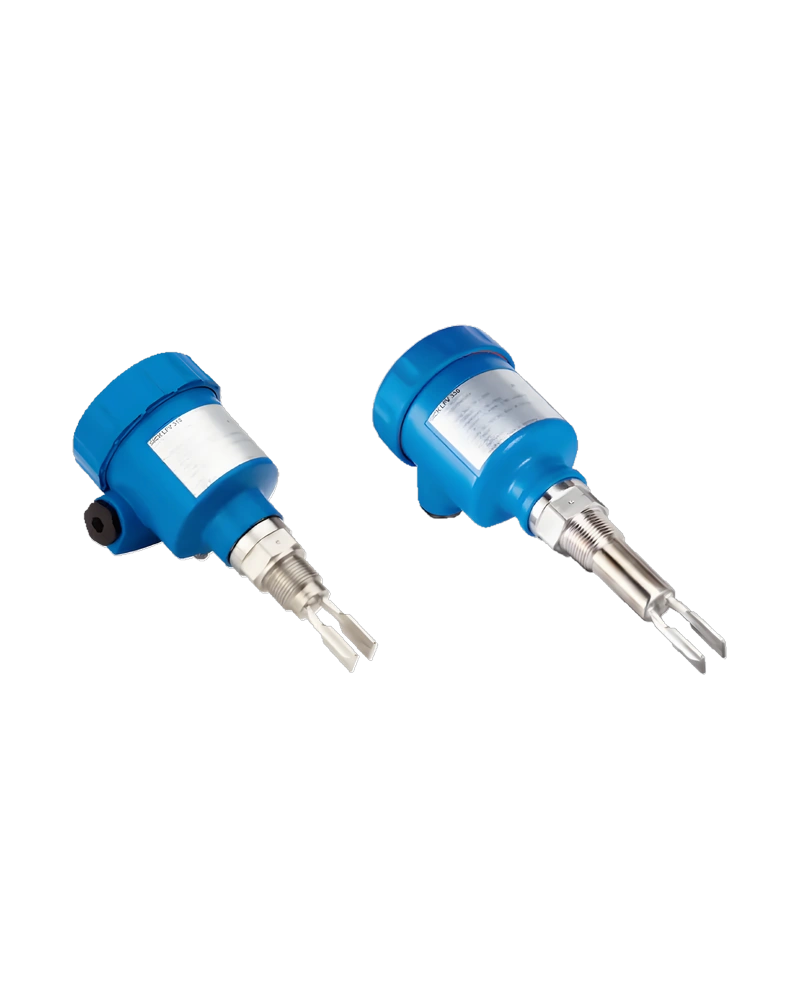
Explore performance details, construction highlights, applications, and technical information in one clear overview.
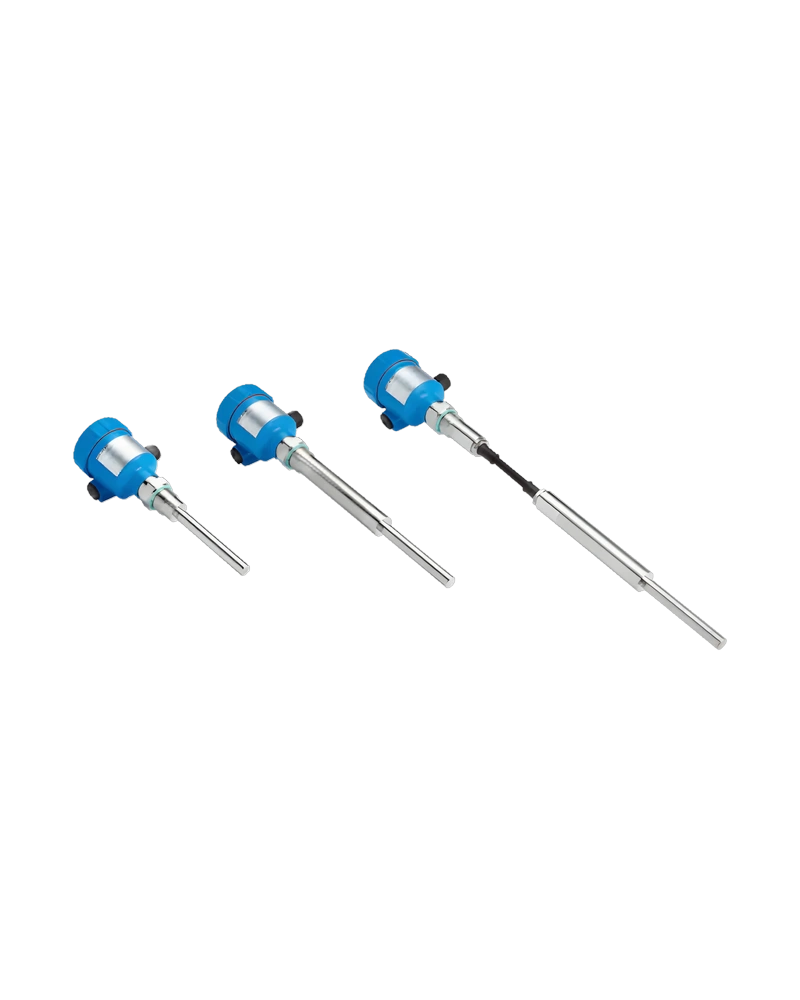
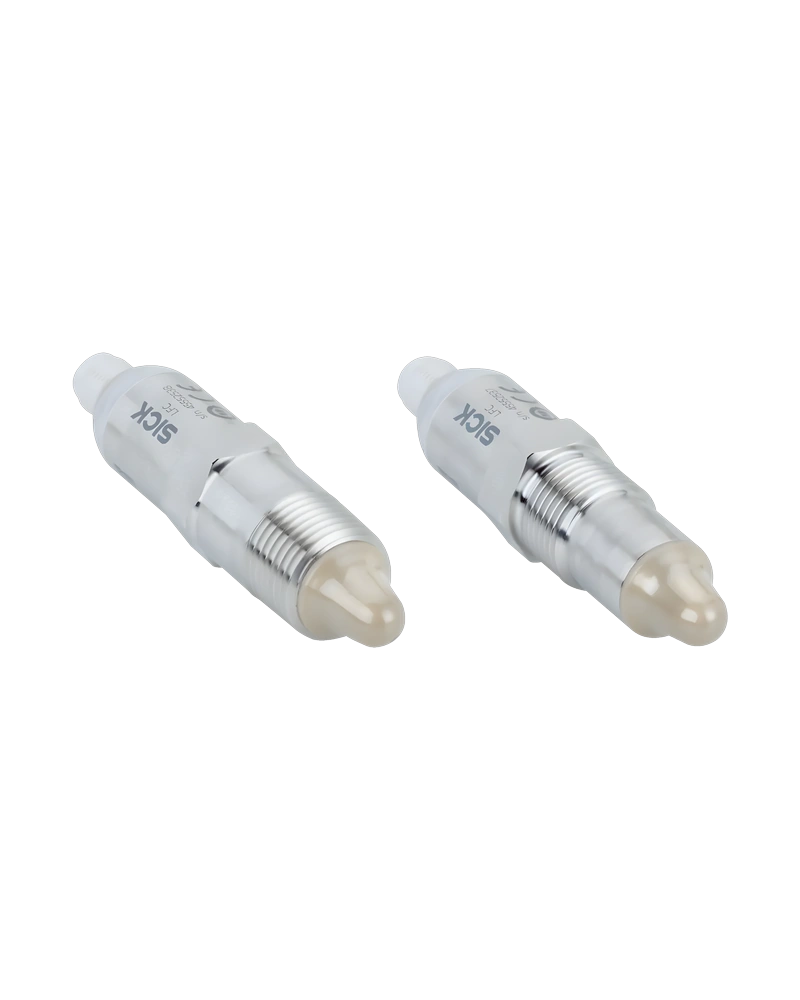
The SICK LFV300 level sensor is a robust, reliable solution for detecting liquid levels in industrial tanks and vessels. Designed for precision and durability, the LFV300 provides accurate level detection across a range of applications. Available in standard configurations as well as extended tube variants (LFV330), it ensures consistent performance in both horizontal and vertical installations. With proven reliability in demanding environments, this sensor supports critical process control functions such as overfill prevention, refill signaling, and pump dry-run protection. Its modular design allows for flexible integration into existing systems, making it ideal for a wide range of industrial processes where precise level monitoring is essential.
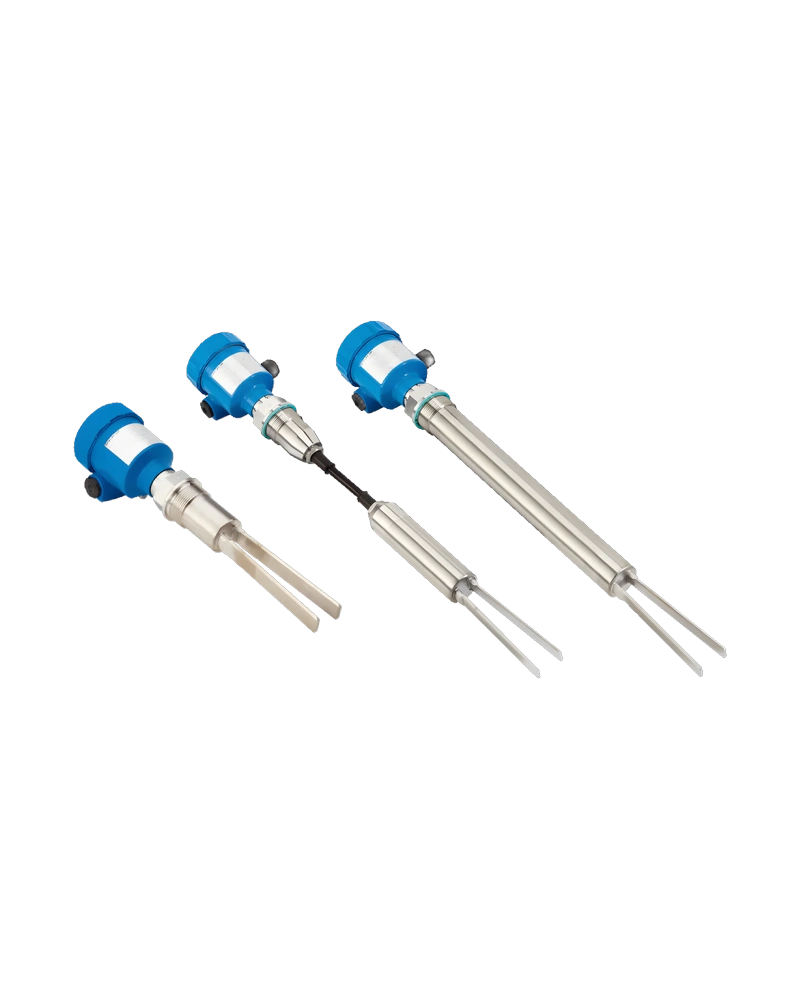
The LFV300 leverages advanced switching technology to deliver reliable signals for process control. It can emit a signal to prevent overfilling, trigger a refill indication, or detect dry-run conditions to protect pumps from damage. This multi-function capability enhances system safety and operational efficiency. The sensor’s design supports both standard and extended sensing configurations—particularly the LFV330 tube-extended variant—which enables reliable vertical mounting and extends the sensing range up to 6 meters. This ensures consistent performance in tall tanks or applications requiring long-range detection without compromising accuracy or stability.
The SICK LFV300 level sensor offers a proven sensing range, with the standard LFV310 model providing reliable performance across typical industrial conditions. The LFV330 tube-extended variant extends this capability to bridge sensing ranges up to 6 meters, ideal for vertical installations where full height monitoring is required. The device operates using a non-contact sensing principle that ensures minimal wear and long-term reliability. It is engineered with high resistance to environmental stressors such as vibration, temperature fluctuations, and exposure to process media. No specific electrical or mechanical dimensions are provided in the official documentation, but its modular design supports integration across various industrial environments.
The LFV300 series offers a wide selection of connection options including flange, threaded, and hygienic interfaces to meet diverse customer requirements. This flexibility enables tailored solutions for specific process conditions and installation constraints. The modular device concept simplifies integration into existing control systems by allowing customization based on application needs. Whether used in standard tanks or complex piping configurations, the sensor can be adapted with appropriate connection types to ensure seamless compatibility. This adaptability supports both retrofitting and new system installations across multiple industries.
The LFV300 level sensor is designed for operation in industrial environments where exposure to liquids, temperature variations, and mechanical stress are common. It performs reliably under typical process conditions without degradation over time. While specific environmental ratings such as IP or temperature ranges are not provided in the official source material, its rugged construction ensures suitability for use in harsh settings. The sensor is engineered to maintain performance during normal operational fluctuations and can be deployed in both vertical and horizontal tank configurations where level monitoring is critical.
The SICK LFV300 level sensor is widely used in industrial processes requiring precise liquid level detection. It finds application in chemical processing, food and beverage production, pharmaceuticals, and water treatment systems. Its ability to provide overfill protection, refill signals, and dry-run warnings makes it essential for process safety and equipment longevity. The LFV330 tube-extended variant is particularly useful in tall storage tanks where full vertical range monitoring is required. By preventing overfilling and protecting pumps from dry running, the sensor contributes directly to operational efficiency and system reliability across a broad spectrum of industrial operations.
| Specification | Value |
|---|---|
| sensing range | s up to 6 m. |
Browse product families and jump into the exact catalog section you need.